
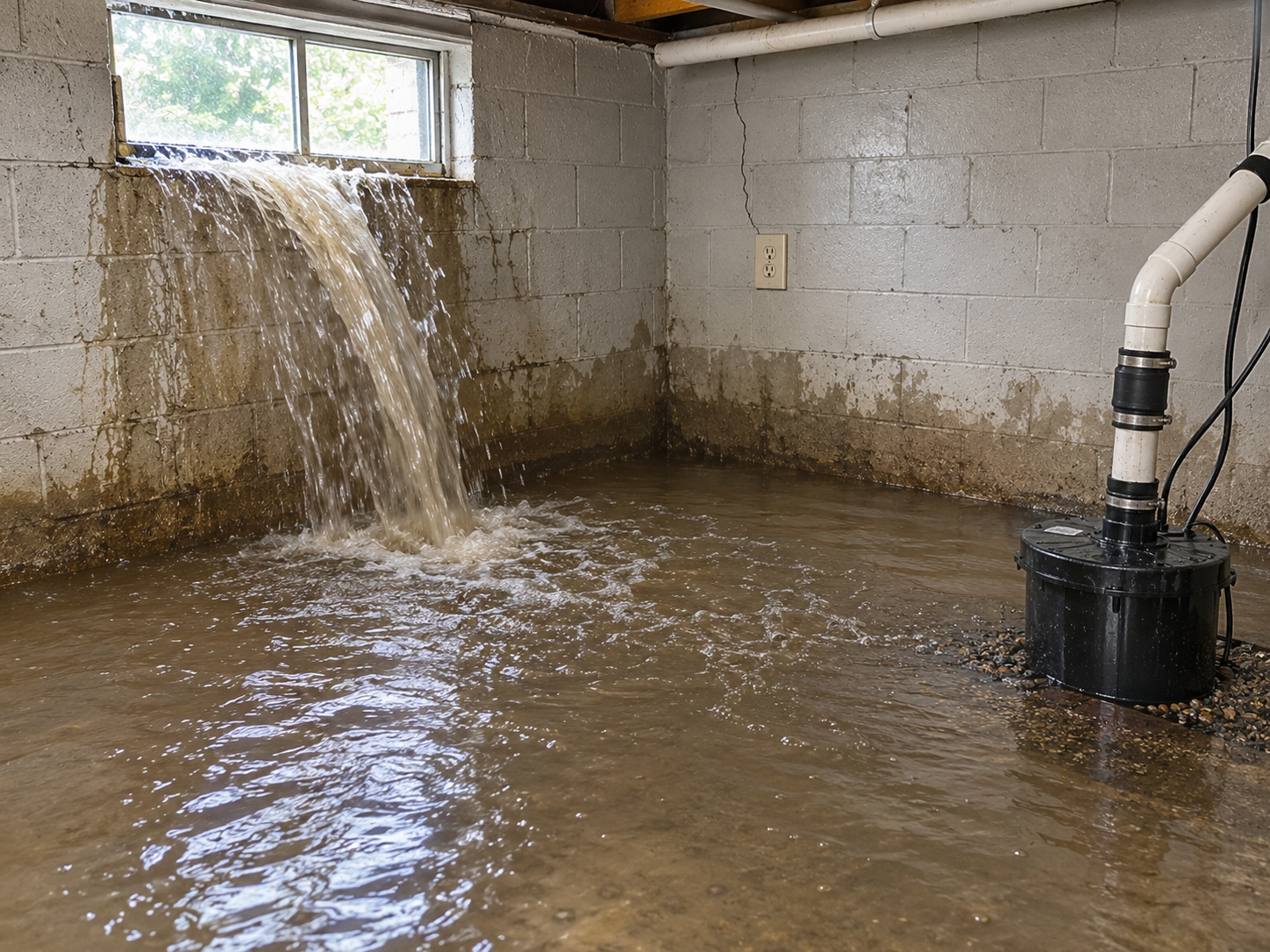
A wet basement after a storm can leave you wondering where the water came from. It may appear along a wall, around a window, near a floor drain, or in a low spot you had never noticed before.
The location offers clues, but it rarely tells the whole story. Water can travel along pipes, cracks, and the edges of a floor before it becomes visible. A careful inspection can help you narrow down the cause and decide what to address first.
Start With Safety
Before inspecting a wet basement, look for hazards. If water is near outlets, electrical panels, appliances, or extension cords, stay out of the affected area. Contact an electrician or emergency professional if you suspect an electrical risk.
Avoid walking through standing water if you do not know its depth or what may be submerged. Once it is safe to enter, take photos and note where you see water, dampness, or residue. These details can help you compare what happens during future storms.
Note When and Where the Water Appears
Try to connect the water to a specific event. Did it show up during the storm, several hours later, or the following morning? Did it appear after a long period of rain, or after a short, intense downpour?
The timing can point toward different sources. Water that appears quickly during heavy rain may relate to roof runoff, clogged gutters, or water collecting beside the foundation. Dampness that develops later may involve water moving through soil or building materials.
Next, map the affected area. Check whether the first signs appear:
- Along one section of wall
- At a wall-and-floor joint
- Around a basement window or window well
- Near a floor drain or sump pit
- Beneath plumbing, a laundry area, or a bathroom
Look for more than puddles. Darkened concrete, peeling paint, white mineral residue, rust, and a musty smell can all signal recurring moisture.
Check How Rainwater Moves Outside
A surprising amount of basement moisture starts with water collected from the roof. Gutters and downspouts carry rain away from the house, but clogs, leaks, or short extensions can leave it pooling near the foundation.
After the storm, look for overflowing gutters, loose joints, or downspouts that empty beside the house. Check the ground around the foundation too. If it slopes toward the building or holds puddles, runoff may be collecting where the basement walls meet the soil.
Make small maintenance fixes when it is safe to do so. Clear accessible gutter debris, reconnect loose extensions, and keep downspout discharge away from the foundation. Avoid digging, changing drainage routes, or directing water toward a neighbor’s property without understanding local requirements and site conditions.
Inspect Basement Windows and Window Wells
A basement window can become an entry point when a window well fills with water. Check for leaves, soil, or other debris that could block drainage. Look for signs that water has passed the window frame, such as damp trim, stained drywall, or wet flooring directly below it.
Do not assume that sealing the visible edge will solve the problem. Water may be coming from a clogged drain, poor grading, or a damaged window. If a window well repeatedly fills during storms, it may need a closer inspection.
Look for Plumbing Leaks and Condensation
Not every damp basement is caused by rainwater entering from outside. Check nearby pipes, water heaters, washing machines, and utility sinks for drips or signs of a slow leak. A plumbing leak may continue during dry weather, while storm-related water tends to follow a rainfall pattern.
Condensation can also make pipes, walls, or floors feel damp. It often appears when warm, humid air meets a cool surface. If moisture is spread across several cold surfaces rather than coming from one clear point, humidity may be part of the problem.
A dehumidifier can help manage damp air, but it does not stop water from entering through a wall, floor, or window. Drying the air may ease the musty feeling while leaving the source untouched.
Pay Attention to the Sump Pump and Floor Drain
If your basement has a sump pump, check whether it runs during or after storms. Listen for unusual noises and see whether the pit contains water. If the pump operates constantly, does not turn on when water rises, or leaves the pit full, it may need service.
Also check whether the pump’s discharge line carries water away from the home. If the outlet is blocked or sends water back toward the foundation, the system may be working against itself.
Do not remove a sump-pump cover or reach into a pit if the area is unsafe. If water is rising quickly or the pump has failed during a storm, contact a qualified professional.
Keep Track of Recurring Patterns
One wet spot may offer limited information. A simple log can reveal more. Record the date, rainfall, the first area where you noticed moisture, and whether the gutters, window wells, or sump pump showed problems.
Patterns matter. If the same wall becomes damp after every storm, that is useful information. So is a basement that stays dry in heavy rain but develops moisture during humid weather. Photos taken from the same angle can make changes easier to spot.
When to Get a Professional Assessment
Call for help if water keeps returning, spreads across the floor, comes through a crack, or damages finished walls and flooring. A professional can inspect the basement and surrounding drainage to help determine whether the issue relates to runoff, groundwater, plumbing, or several factors at once.
For Long Island homeowners dealing with recurring water intrusion, ACM Basement Waterproofing can assess the basement and help identify possible next steps. Conditions vary by property, so a solution that worked for a neighbor may not address the source at your home.
The most useful first step is to find out when and where the water appears, then follow the clues. Once you understand the likely source, you can choose repairs that address the cause instead of repeatedly cleaning up the same damp spot.