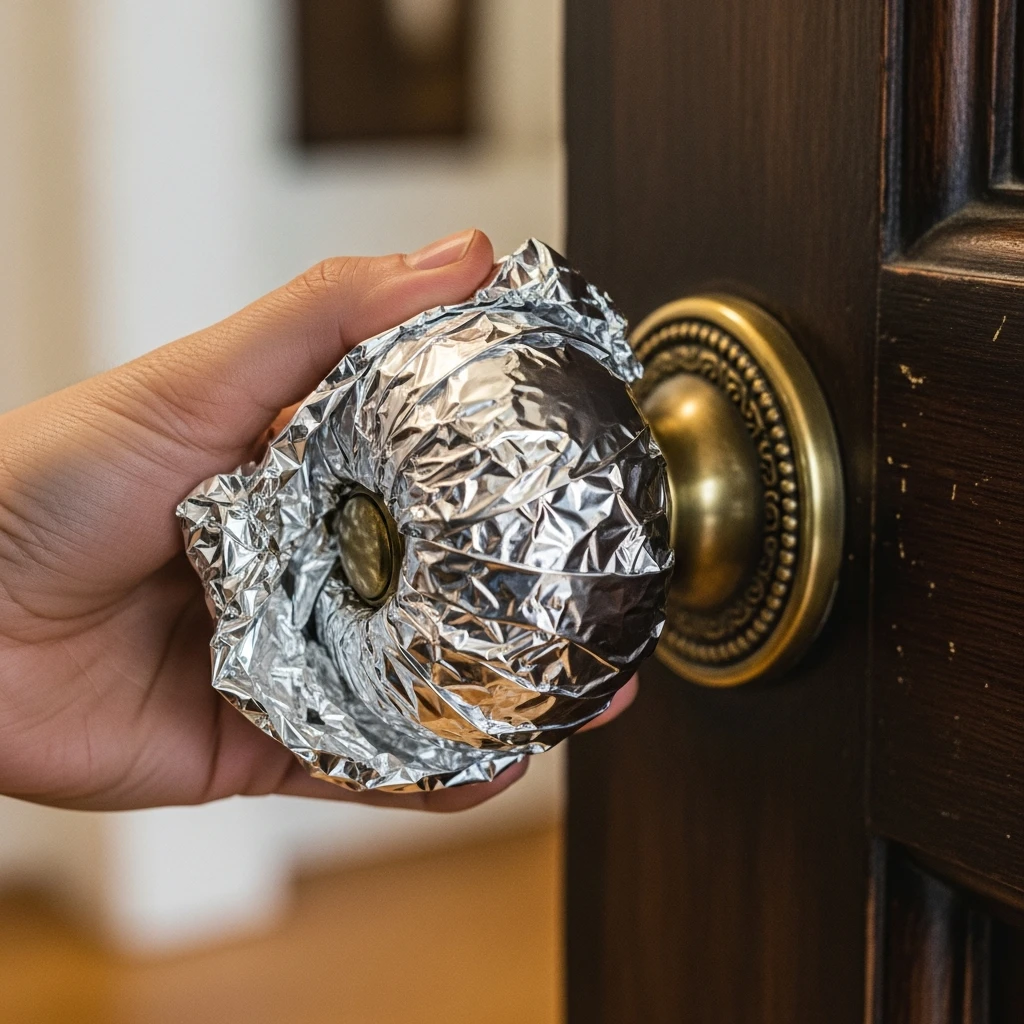
From trending videos on the internet to front doors, who would have imagined an aluminium foil would make its way from kitchen spaces to somewhere really unexpected – wrapped around people’s doorknobs? Yes, you read that right!
Many people are hopping on the online buzz claiming that wrapping foil around your doorknobs can help prevent burglary by making it difficult to turn the knob quietly or to detect tampering. While it does not match the effectiveness of a security system, some people swear that this effortless hack could make a trespasser think twice before breaking in. There’s more to the story than that. In a nutshell, wrapping aluminum foil around the doorknob does not guarantee foolproof security, and it should never be considered an alternative security measure. As we progress through the article, we will get to understand the ‘why’ and the level of credibility this hack holds.
Why does wrapping foil on doorknobs seem to work?
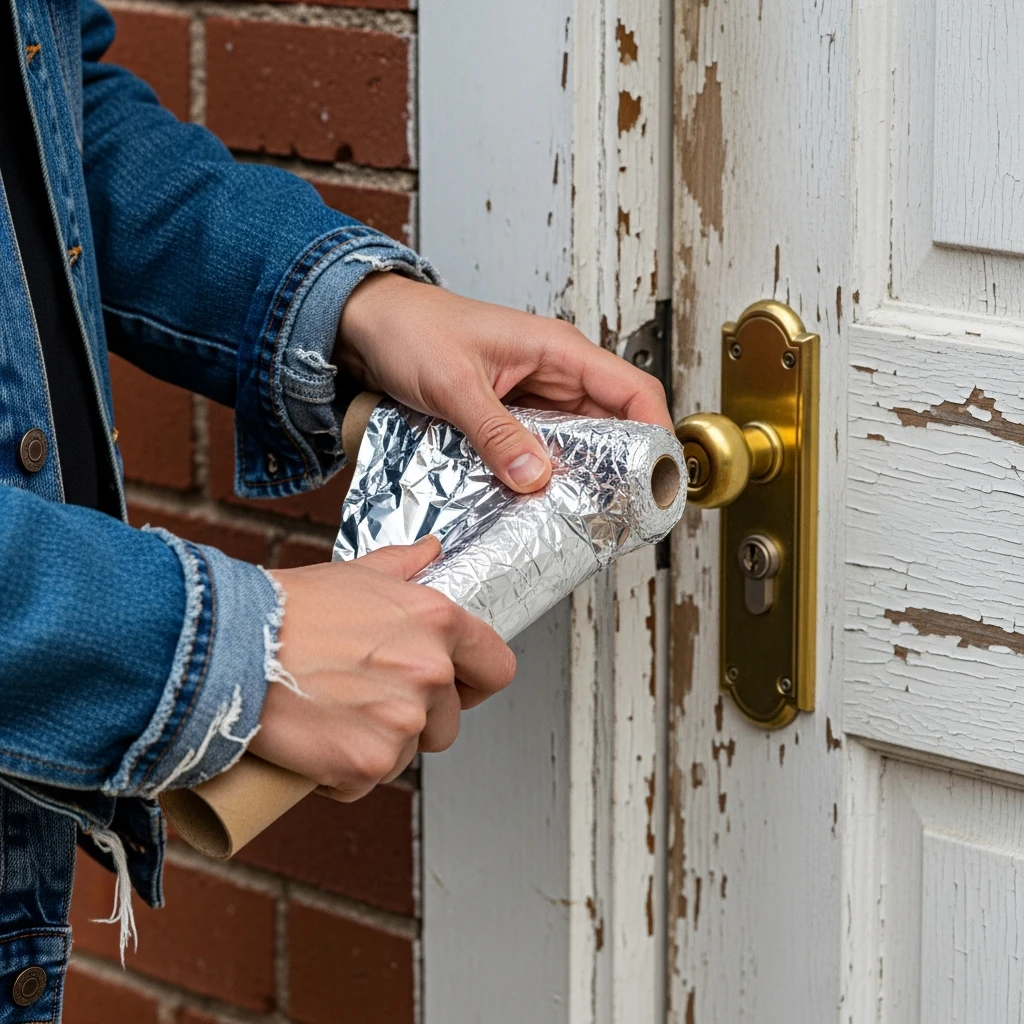
Apart from its practical uses, several claims have been making the rounds online, especially as a DIY home security hack.
Claim #1: Will it help keep unwanted intruders away?
The primary and most talked-about claim is that it can act as a physical deterrent to intruders. The popular belief is that it will be tough to get a firm hold on the doorknob, or the crumpling noise on contact with the foil could warn the residents. The sight of a foil-wrapped doorknob would possibly make the intruders think twice before attempting to break in. The truth is that the claim is only that it can serve as a visual deterrent and offers no physical resistance. That said, it is by no means reliable.
Claim #2: Will this hack save you from those annoying static shocks?
Another claimed theory is that when the metal doorknob comes in contact with the static charge stored in the human body, it can result in a mild electric shock. This method is not scientifically proven to work.
Claim #3. Will it prevent curious pets from jumping on the door?
Some claim that doing so can keep pets away from scratching on doors or doorknobs. However, there is no reliable evidence that proves this claim.
Why wrap foil around doorknobs when you are alone?
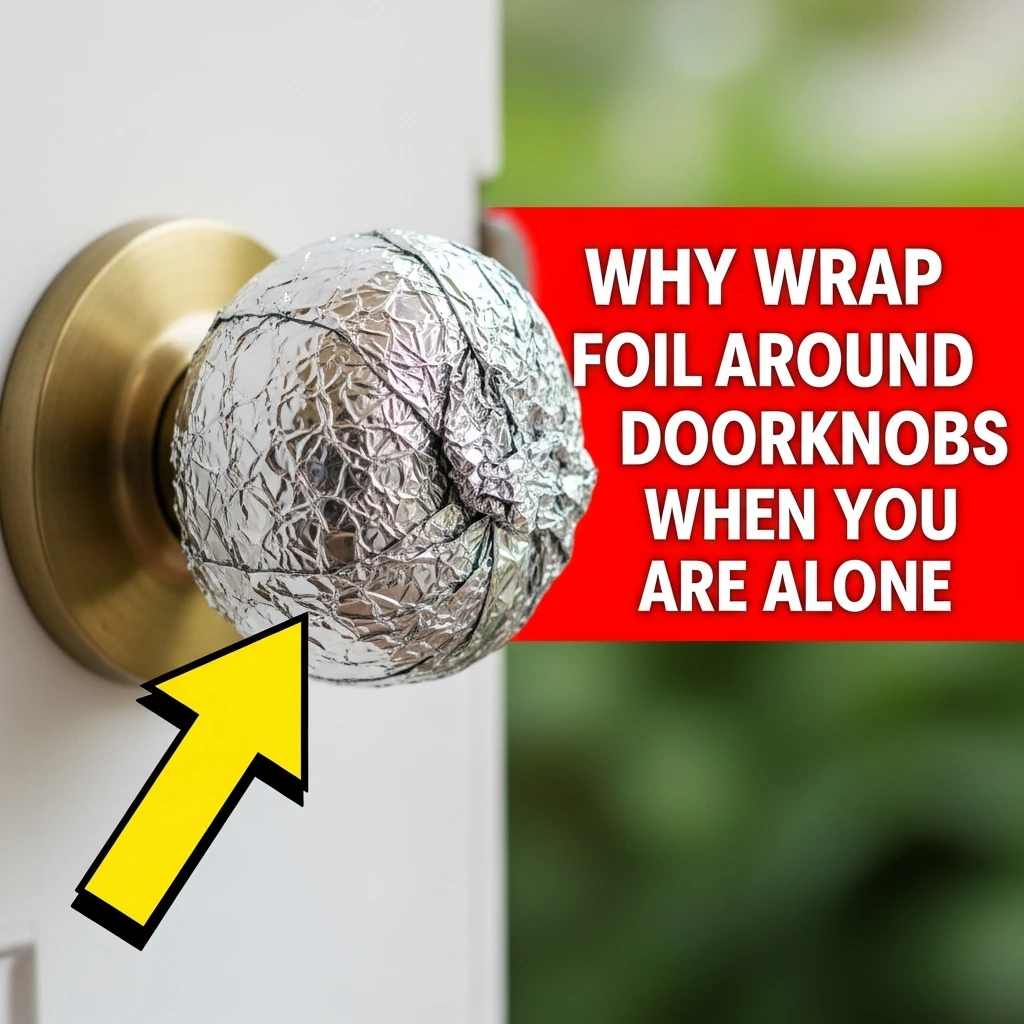
Why wrap foil around doorknobs at nightFoil is wrapped around doorknobs for safety and security advantages. Below are some of the ways it can provide safety, according to viral posts online.
Foil creates a barrier to hold a grip on the doorknob.
Foil becomes a slight barrier, creating resistance when turning the doorknob. But after all, it is a piece of foil and can be removed easily. Hence, it does not provide any meaningful barrier.
The sound of crinkling foil alerts you to an intruder.
Aluminum foil can crinkle loudly when doorknobs are turned, giving you enough time to react accordingly. However, can we rely on this alert system? Most definitely not. Not when you are sleeping, not when you are watching your gadgets, and not even while you are in the kitchen.
Torn foil indicates tampering.
Missing or damaged foil on the doorknob suggests that someone has touched it. As per popular belief, it could also mean that an intruder attempted to enter the house, but that is not conclusive. There could be many other innocent factors that damage the foil, such as visitors, wind, or pets.
Wrapping foil can prevent lock picking.
Even though some online posts indicate that lock picking is difficult around a doorknob wrapped with foil, it is still a huge misconception. The foil is placed on the outside of the doorknob and does not interfere with the internal lock mechanism.
The story behind wrapping foil on doorknobs
It all started with a misleading image in an advertisement showing a doorknob wrapped in aluminum foil, leading people to believe it was for added security. To gain attention, the topic was why one should wrap their doorknobs in aluminum foil when they are home alone. The headline said that one needs to wrap foil around the doorknob when they are home alone.
Due to the phrase “home alone, it went viral, and people were psychologically forced to believe that it has something to do with home security, without reading further in the article. No reliable evidence can be found on this.
What would work better than a foil on a doorknob?
There are various options to keep your home safe from intruders, rather than placing your faith in a piece of aluminum foil.
Upgrade door security
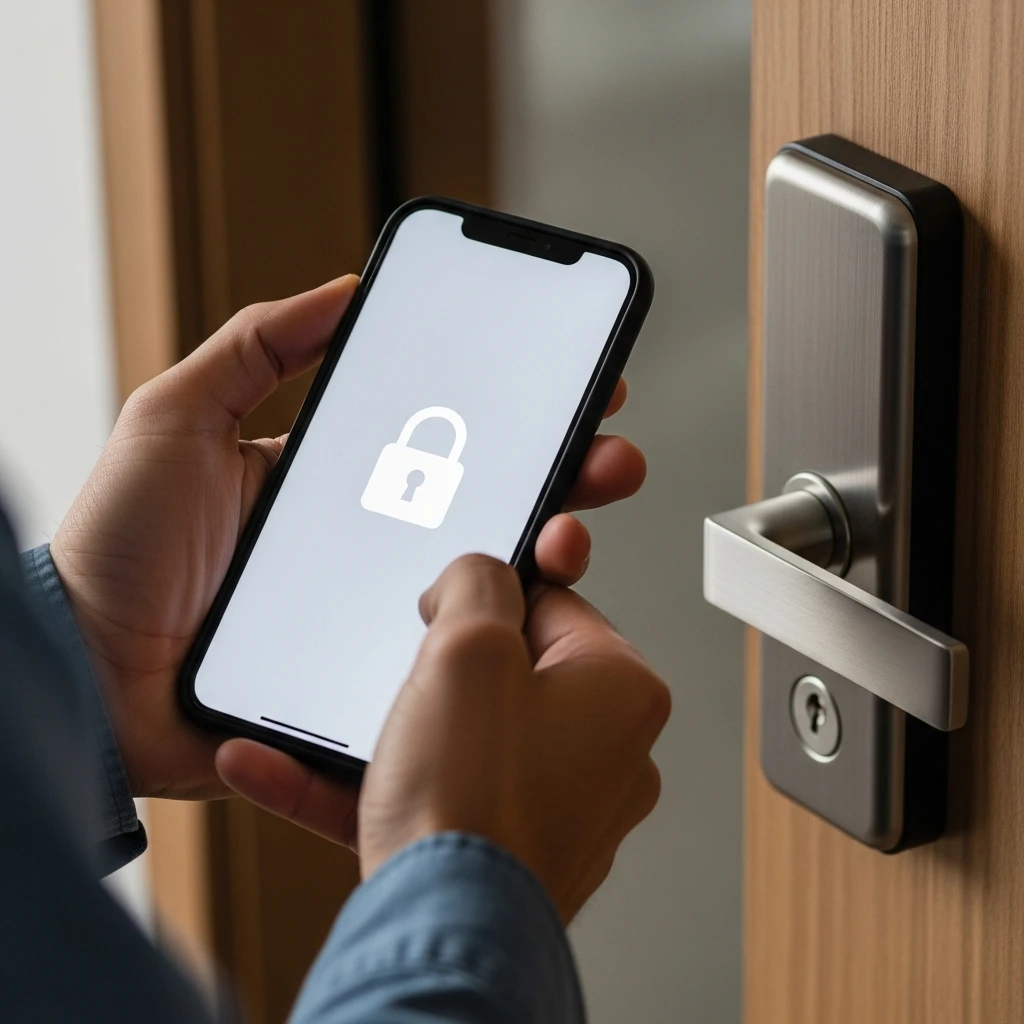
You can switch to a smart lock to enjoy features that let you remotely lock your door, track entry and exit, and use keyless entry.
Motion sensor lights
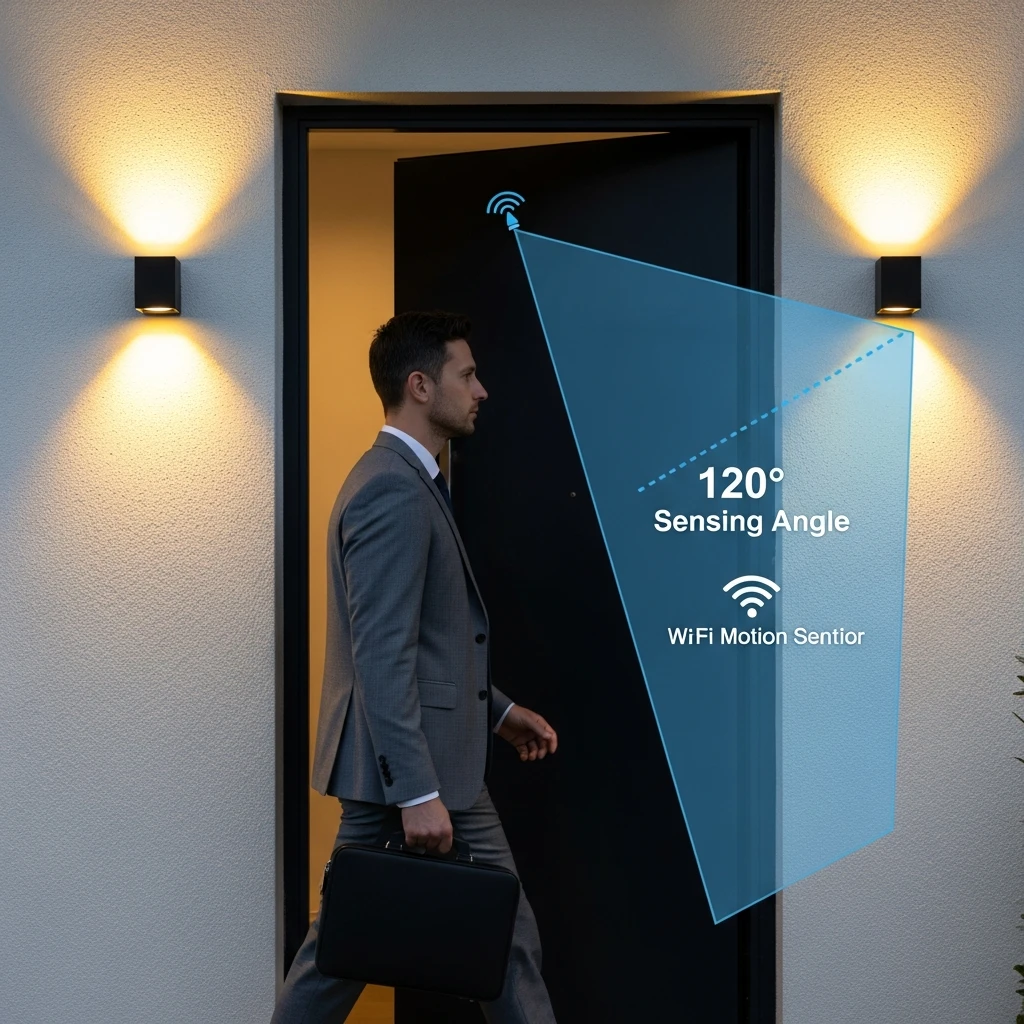
Entrances with motion-sensor lights can discourage random intruders lurking around.
Visible security camera
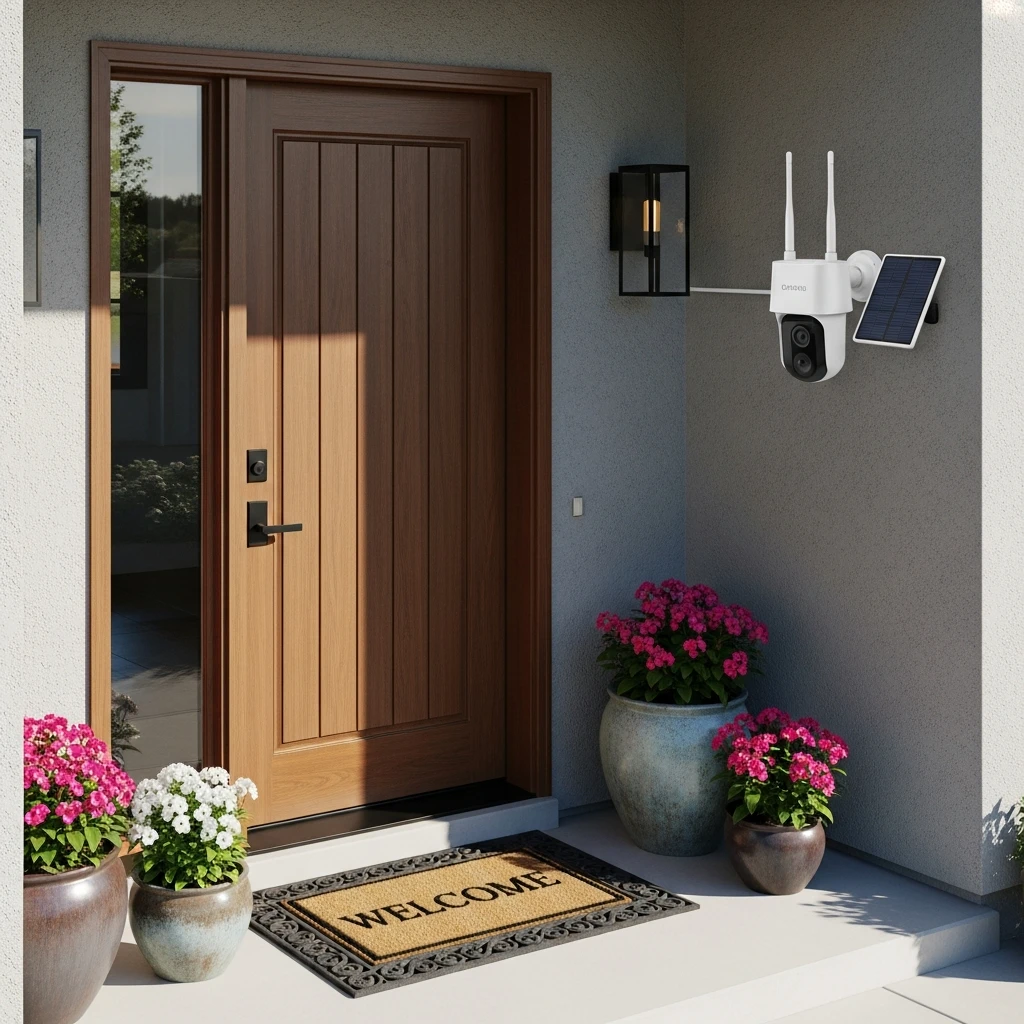
It is always better to install a visible video doorbell or security camera.
You don’t need to spend a fortune to secure your home entrance. Instead of wrapping a foil around your doorknob, you can place a peephole, add door frames with longer screws, and select your indoor lights on timers.
Why should you wrap your car keys in foil when alone at night?
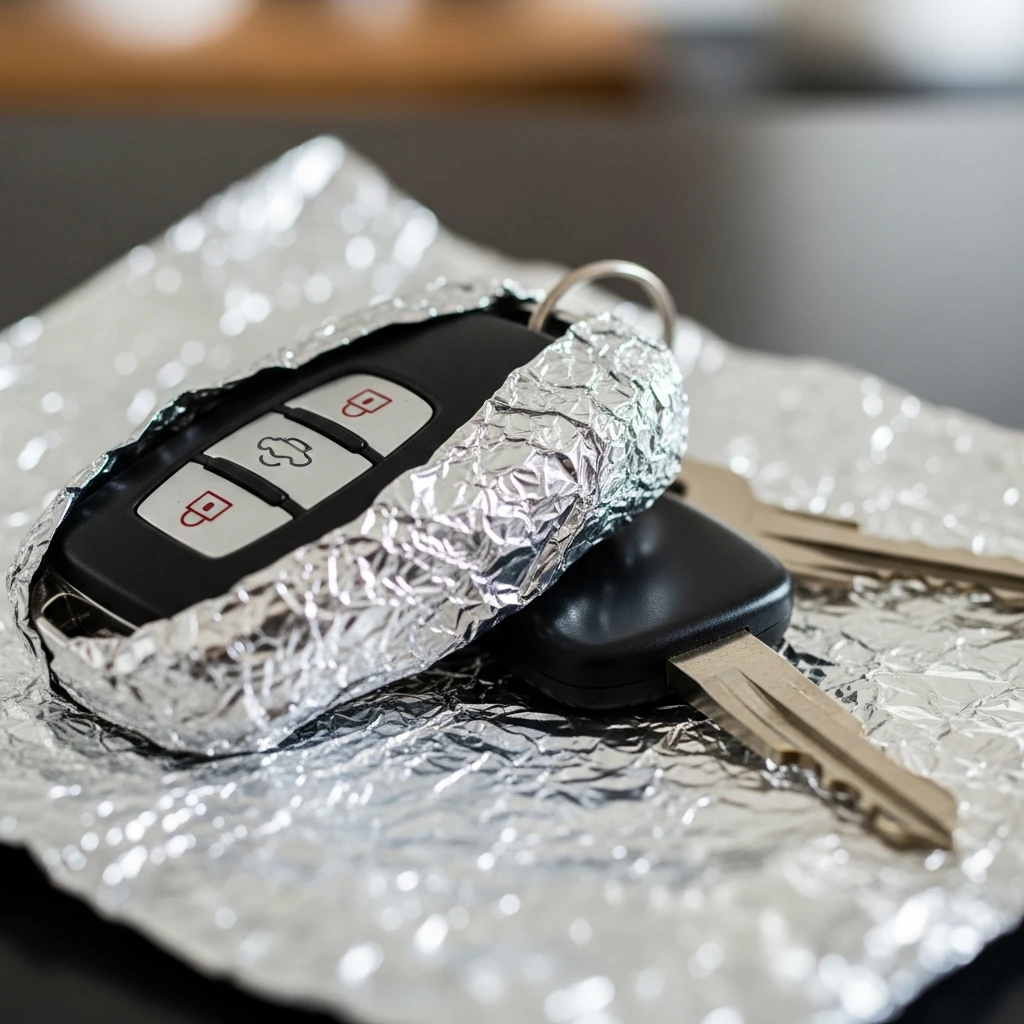
Coming to yet another viral claim of wrapping car keys in aluminum foil at night when alone. Many people believe that the foil is effective at blocking the wireless signal from modern smart car keys. Surprisingly, such keys can unlock your car without even inserting the original key into the lock.
The truth behind wrapping car keys
Here’s the reality: the car key needs to be fully covered with foil to protect it and, to some extent, reduce incoming signals. It cannot act as a foolproof solution. Additionally, several new cars have been upgraded to avoid such theft. There is some scientific backing for the claim, but it is largely exaggerated and offers no meaningful protection.
What does wrapping a rubber band around your doorknob mean?
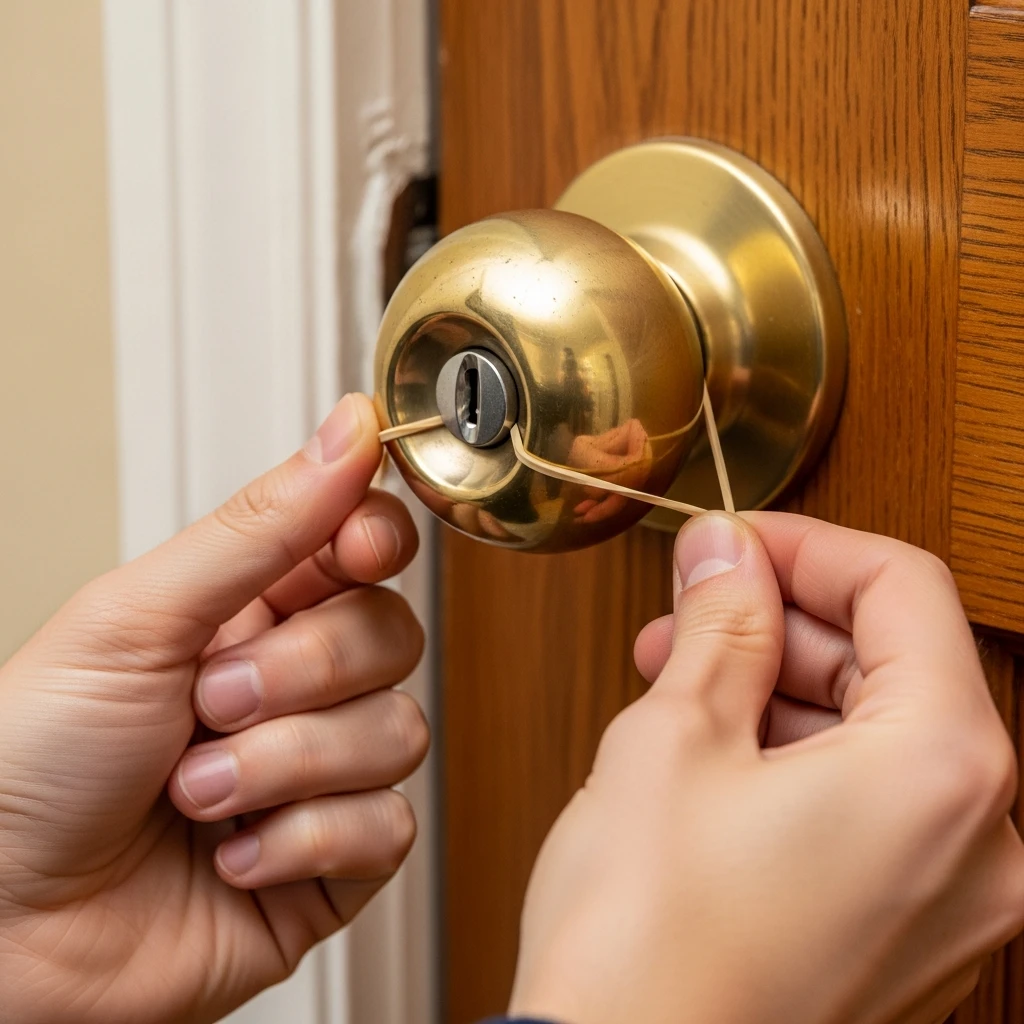
Wrapping a rubber band around your doorknob seems like an ordinary household trick. Still, it has given rise to all kinds of theories that suggest it makes a door more secure and protects against intruders. Some claim that following this trick makes it easier to leave during an emergency, whereas others believe it helps intruders. It can be unsafe if done incorrectly, as it could prevent the door from latching.
The internet is vaguely divided on this aspect. But does this trick really work? Again, there is nothing to prove that this trick works all the time. This is just the product of a viral claim made on the internet.
Aluminum foil on doorknobs safety
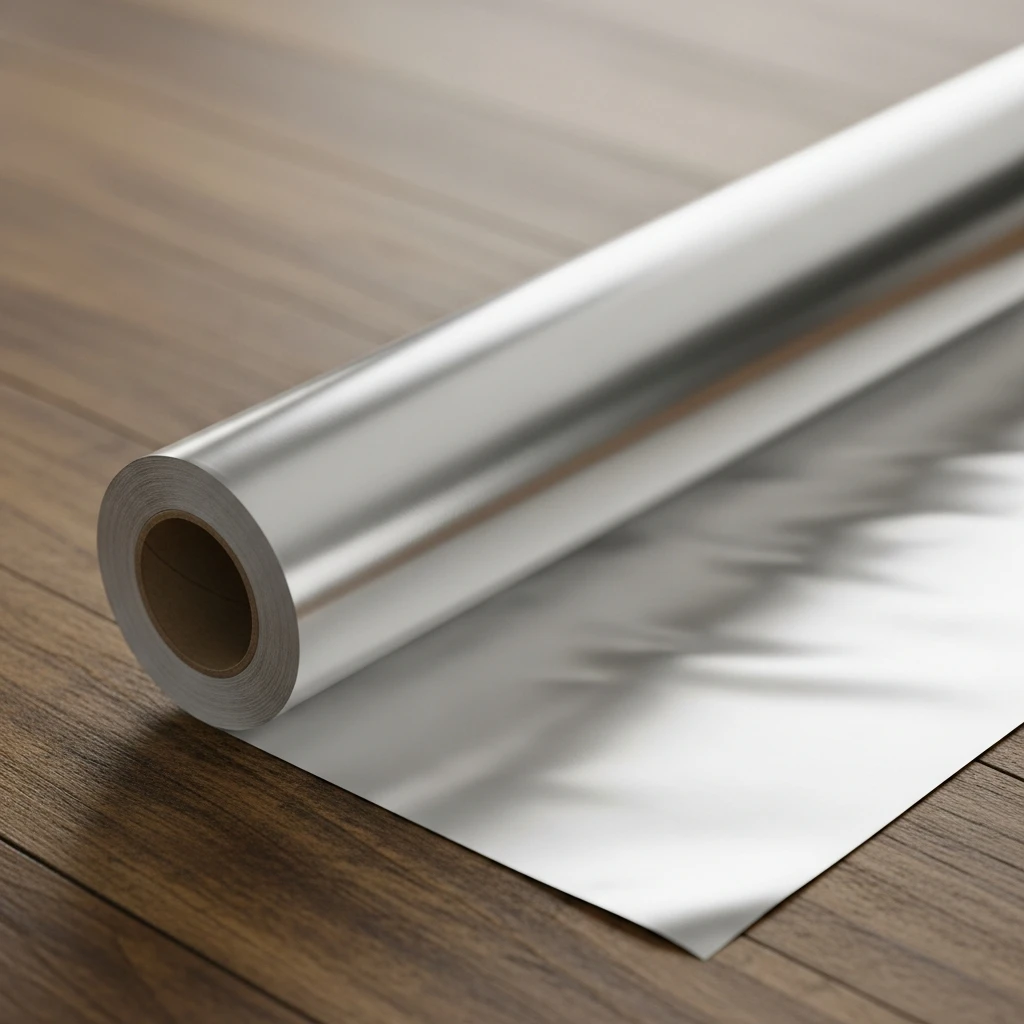
It is generally safe to wrap aluminum foil around a doorknob, and it poses no significant risks. There will be absolutely no damage when used temporarily on doorknobs. While it is safe for the doorknob, it is difficult to say it is safe to rely on as a home security hack. This can never substitute for proper home security measures that are in place.
The foil can be used to cover the doorknob while painting, as mentioned in the original article (where all this began). If the foil is used for that purpose, do not forget to remove it once the paint has dried to prevent moisture from trapping against the doorknob, particularly on certain metal finishes.
Wrapping it up
If you have stayed with us this far, you are already aware that aluminum foil has legitimate uses of its own and cannot be used as a substitute for an effective home security system. While it offers only minimal protection when placed on doorknobs, the safest approach is to opt for proven security measures rather than trends touted as quick fixes. Visible security cameras, smart alarm systems, efficient locks, and motion-sensing lights are far safer to install. Going forward, when you come across a doorknob wrapped in foil or the hack being shared on the internet, you will be able to distinguish fact from fiction.
Frequently Asked Questions
Does wrapping foil on a doorknob add to home security?
This is largely a misconception, as it cannot be relied upon as a security measure. It does not place a meaningful barrier, nor does it stop burglaries.
Why are doorknobs wrapped in aluminum foil during painting?
This hack is used by painters to cover doorknobs from paint splatters, as it is a faster and more effective method.
Will wrapping aluminum foil on a doorknob prevent static shocks?
To some extent, it may help in preventing a mild static shock, but it cannot be guaranteed as a practical solution.