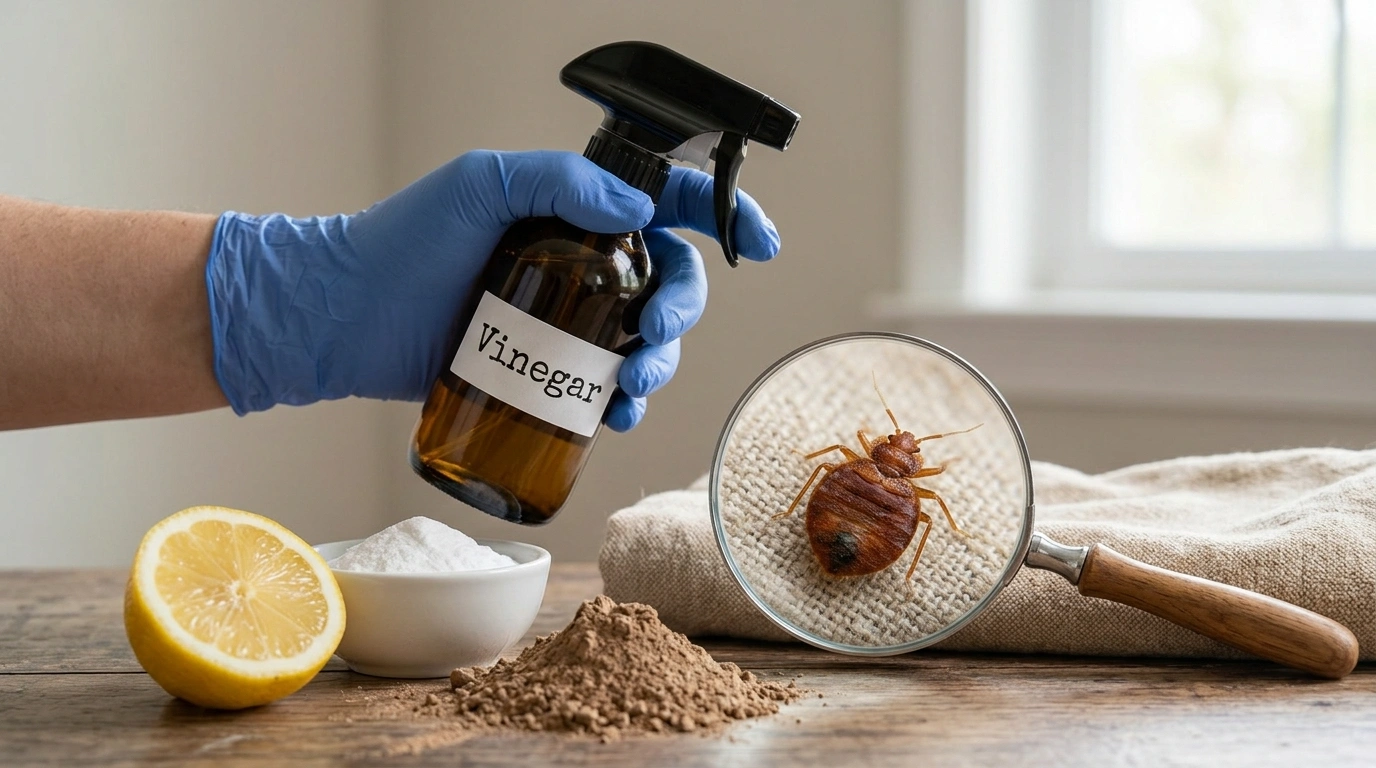
Bed bugs are tiny, unwanted pests that live in mattresses, furniture, and other quiet, dark places. They are very difficult to spot, so homeowners often look for DIY home remedies to kill them. One of the most effective solutions to this is vinegar. Vinegar is acidic and has a strong odor, which affects bed bugs. In this article, we will discuss how vinegar helps you get rid of bugs, effective ways to use vinegar, and we will also suggest some alternative methods to get rid of bugs.
Effect of vinegar on bugs and their eggs
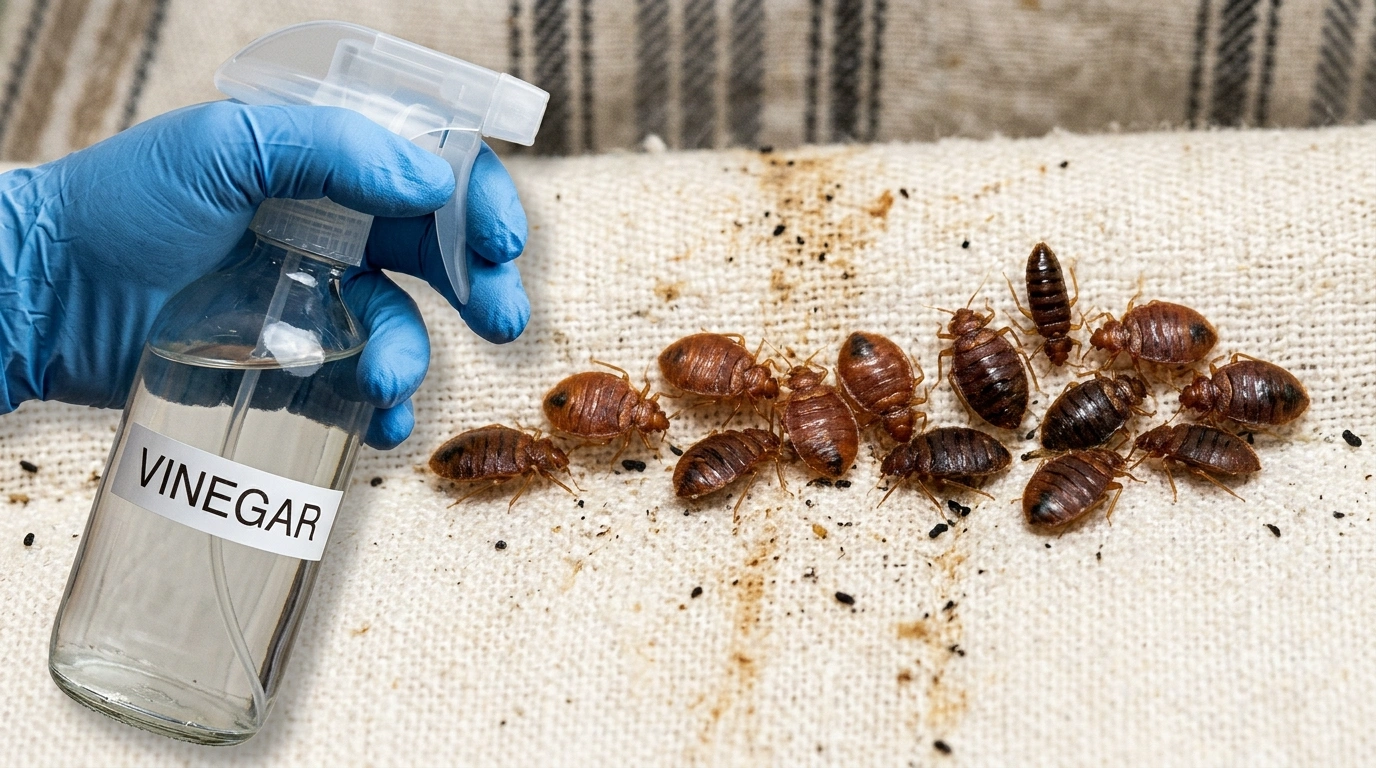
If you spray vinegar directly on bugs, it will kill them. When bugs come into direct contact with vinegar, the acetic acid damages the protective outer covering of their bodies. Although vinegar is not specially formulated to destroy a bug’s outer covering, it can kill them when sprayed directly on the bug.
The eggs of bed bugs are very small and usually hidden in cracks and crevices that you cannot reach. Even if vinegar manages to kill a few of the eggs, it is very much possible that a large number of eggs are still hidden.
White vinegar or Apple cider vinegar: which is better for killing bugs?
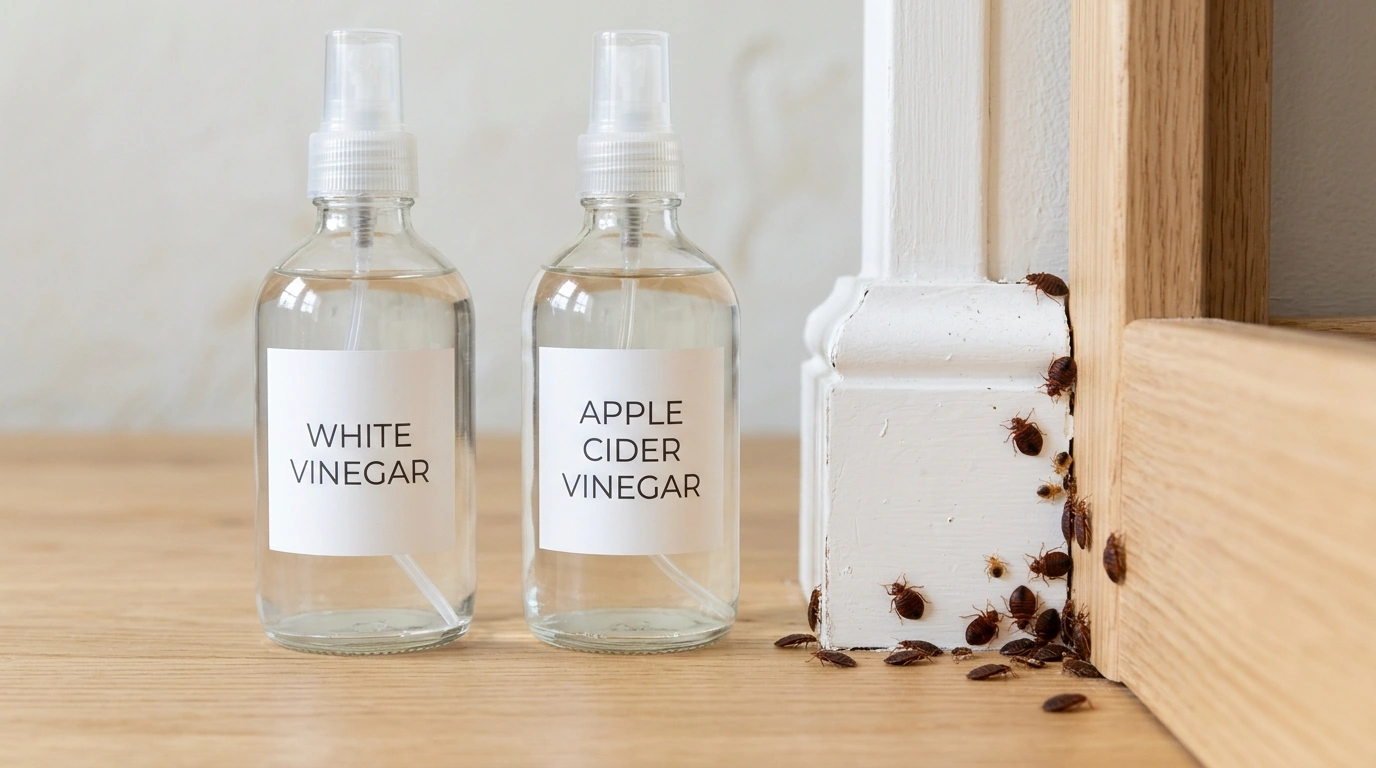
White vinegar
It is used as a household cleaning product, but it is not very effective against pests. It may kill a few bugs upon direct contact, but it is not a dependable option. It does not kill bugs hidden in the mattress, bed frames, or furniture.
Apple cider vinegar
It has a stronger acidic smell than white vinegar, but that doesn’t mean it is better at killing bugs. Vinegar may affect bugs when sprayed directly on them. You should not expect apple cider vinegar to kill bugs or their eggs.
Both white vinegar and apple cider vinegar affect only visible bugs; they do not affect hidden ones or their eggs. So, view vinegar as a temporary solution, an instant fix rather than a long-term solution for bed bugs.
Spraying vinegar on your mattress: hit or miss?
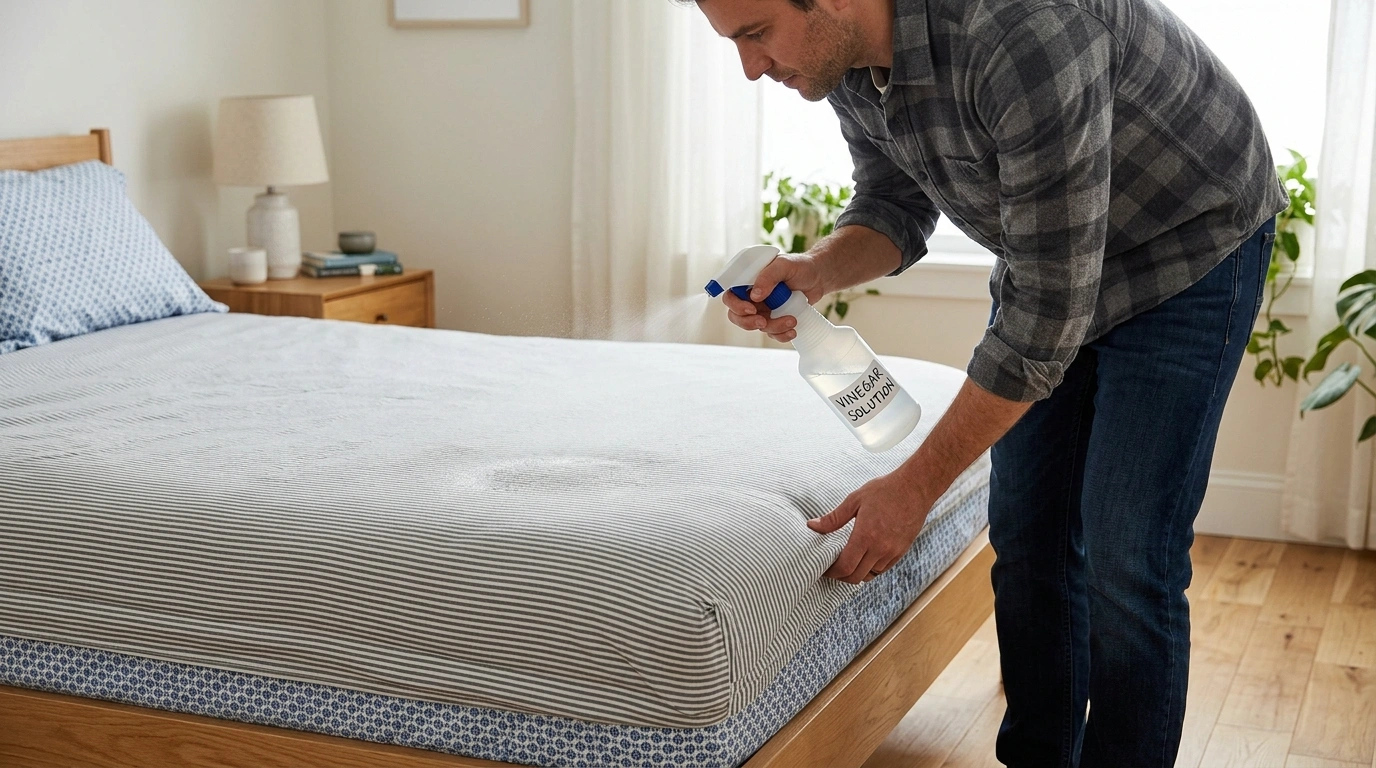
Bugs are attracted to your bed because of the smell of blood. Spraying vinegar with a strong, distinct smell can temporarily stop bugs from entering your bed. Spray only a small amount of diluted vinegar on your mattress, because the mattress can absorb moisture, which may lead to mold growth.
Safety points to keep in mind before using vinegar
- You should avoid mixing vinegar with bleach or other chemicals because it can create a chemical reaction that may be flammable.
- You must not let the vinegar spray come in direct contact with your eyes. Also, keep vinegar out of reach of children and pets.
- Before spraying vinegar on a mattress, furniture, or fabric, do a small patch test because it can damage some surfaces.
Tip: Vinegar is a quick-fix solution for visible bugs only; don’t rely on it to completely get rid of bugs.
Preventive steps you must follow to avoid bug infestation
Hot water: Wash your bedsheets, pillowcases, and blankets with boiling water if you suspect bug infestation.
Hot dryer: Use a hot dryer for your clothes, as high heat can kill bugs and their eggs.
Vacuum: Clean the mattress, rugs, and curtains using a vacuum cleaner. Focus closely on mattress seams and the area around your bed.
Mattress encasement: Use a bug-proof mattress encasement to protect your mattress and bedding from bugs.
Contact a professional: If the infestation is massive or bugs keep coming, then you should contact a professional for pest control solutions.
Vinegar substitutes to eliminate bed bugs
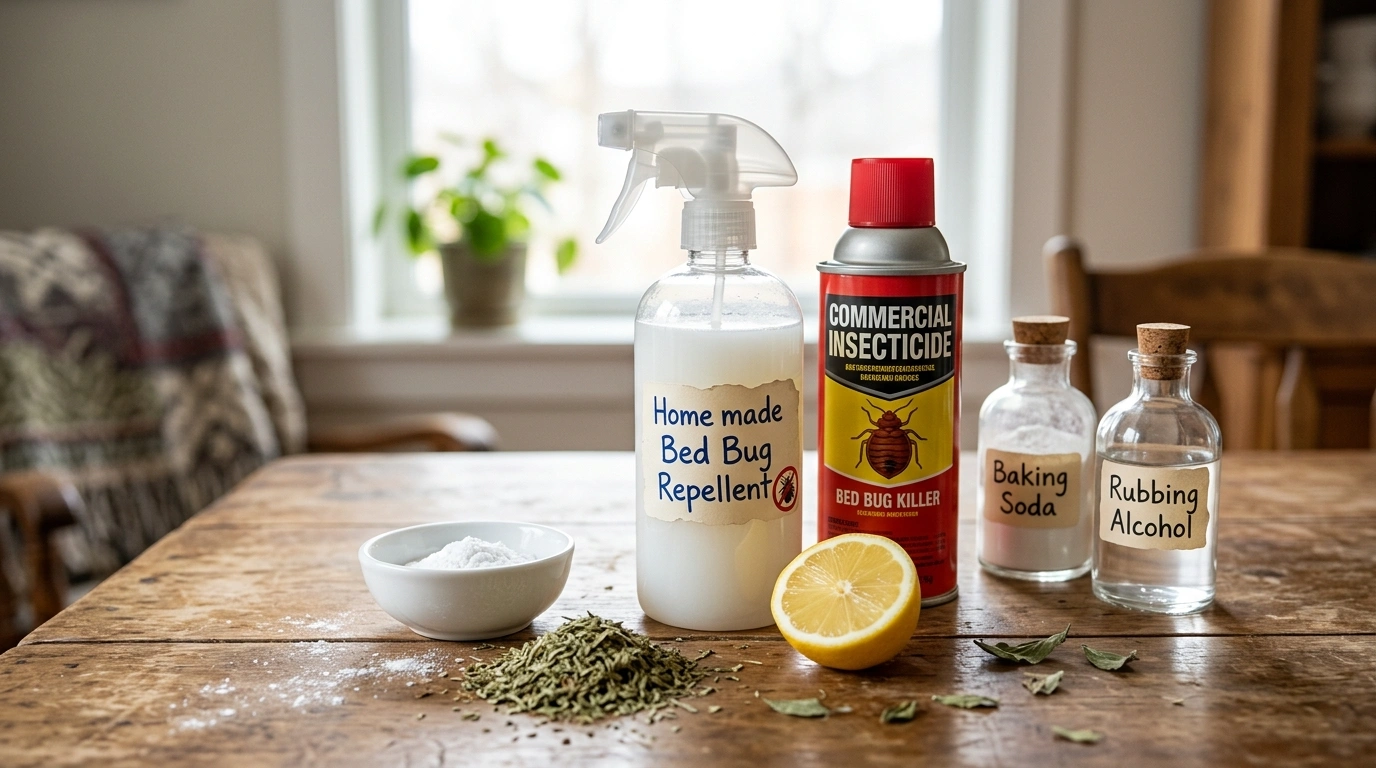
Homemade/DIY options
- Baking soda: Sprinkle baking soda on your mattress, bed frame, and furniture to suffocate and kill bugs.
- Rubbing alcohol: Spraying 91% rubbing alcohol will kill bugs on contact, but it is also flammable, so use it carefully.
Chemical options
- Commercial insecticides: Use products that are specifically formulated for bed bugs.
- Insect growth regulators: These do not directly kill bugs; instead, they prevent the young nymphs from reaching the adult stage or reproductive maturity.
Conclusion
Spraying vinegar directly on bugs will kill them. But it is not a reliable option, as vinegar only works on visible bugs. So, regular cleaning of your bedding and home, frequent vacuuming, and using a hot dryer along with vinegar spray are needed to get rid of a bug infestation.
Frequently Asked Questions
How to prepare a vinegar spray to kill bed bugs?
Use white distilled vinegar with at least 5% acidity without water for best results.
How long does it take vinegar to kill bugs?
To kill an adult bed bug, vinegar takes approximately a few minutes. However, it does not affect their eggs.
What smells keep bed bugs away?
Bed bugs dislike sharp and pungent smells like those of lavender, peppermint oil, and tea tree oil.