
Some paint colors are so similar that the difference is easy to miss. For instance, what should you do when you’re choosing between two similar white paint tones: Alabaster and Greek Villa? Many people think these two look identical because both are warm white paints from Sherwin-Williams. The differences, however, become apparent once you apply them to walls. In this article, we’ll examine these two paints in detail to help you choose between Alabaster vs Greek Villa.
About Sherwin-Williams Alabaster (SW 7008)

Sherwin-Williams Alabaster white paint is quite popular. It’s not a bright shade of white. In fact, it has a slight gray tint. Its calm and muted tone gives it a slightly elegant look, making it a good choice for walls, cabinets, etc.
Alabaster works well with most architectural styles, be it modern or classic. The subtle gray undertone helps the room stay cool and neutral, even under strong light. However, bear in mind that it could make dimly lit rooms appear a bit dull and drab.
About Sherwin-Williams Greek Villa (SW 7551)

Another popular option for those seeking a soft white paint shade is Sherwin-Williams Greek Villa. Its cream and yellow undertones give it a cheerful, sunny appearance that quickly makes spaces seem cozy and inviting. It works well in rooms that don’t receive much natural light. It also pairs well with furniture made from natural materials.
When considering the choice between Alabaster vs Greek Villa, Greek Villa is an excellent choice, especially for rooms that look cold or dull. However, it shouldn’t be used in well-lit rooms, as the walls could take on a slightly yellow tinge.
Alabaster vs Greek Villa: A Quick Comparison
At first glance, it’s actually almost impossible to distinguish between Alabaster and Greek Villa. They truly can look almost the same. Both are warm white paints. However, they have a few small differences. Understanding LRV, undertones, lighting, warmth and overall feel can make the choice easier.
LRV
LRV stands for Light Reflectance Value and it tells us how much light a paint color reflects. Since a color with a higher LRV reflects more light, it will usually look brighter.
Alabaster has an LRV of 82 and Greek Villa has an LRV of 84. So, Greek Villa reflects slightly more light than Alabaster. However, the difference is very small, so you may not notice much difference in brightness between the two.
Undertones
Greek Villa has cream and yellow undertones, which give it a more laidback and comfy look. This shade is apt for cozy spaces, like the bedroom.
Alabaster has a slight gray undertone. This gives it a soft and calm appearance. It’s great for rooms that require a cool, elegant look.
It is easier to see the difference in undertone when the two colors are placed next to each other.
Lighting
Room lighting can change how paint looks. Natural light, artificial light and even the direction of the windows can affect the color.
Alabaster can look soft and balanced in bright natural light. However, in a room with less light, its gray undertone may become more noticeable.
As said earlier, Greek Villa can make rooms look much warmer in bright light. Its cream and yellow undertones stand out more. In a darker room, this feature can help make the space feel more inviting.
Warmth
Both colors are warm whites, but Greek Villa is the warmer of the two. Its creamy, yellow undertones give it a cozy, sunny look.
Alabaster is also similar to Greek Villa but feels more balanced because of its gray undertone. It’s a great choice for those who prefer a subtle white hue without too much cream or yellow.
Overall Feel
Each color creates a different feeling. Alabaster is soft, tranquil and a little muted. Greek Villa is cozier, brighter and cheerier. The choice between these two paint shades depends on the overall look and decor theme.
Alabaster Vs Greek Villa: Best Interior and Exterior Uses

You can use both Alabaster and Greek Villa throughout the home. The choice often comes down to the amount of light the rooms receive and the color of the furniture and finishes.
Living Room
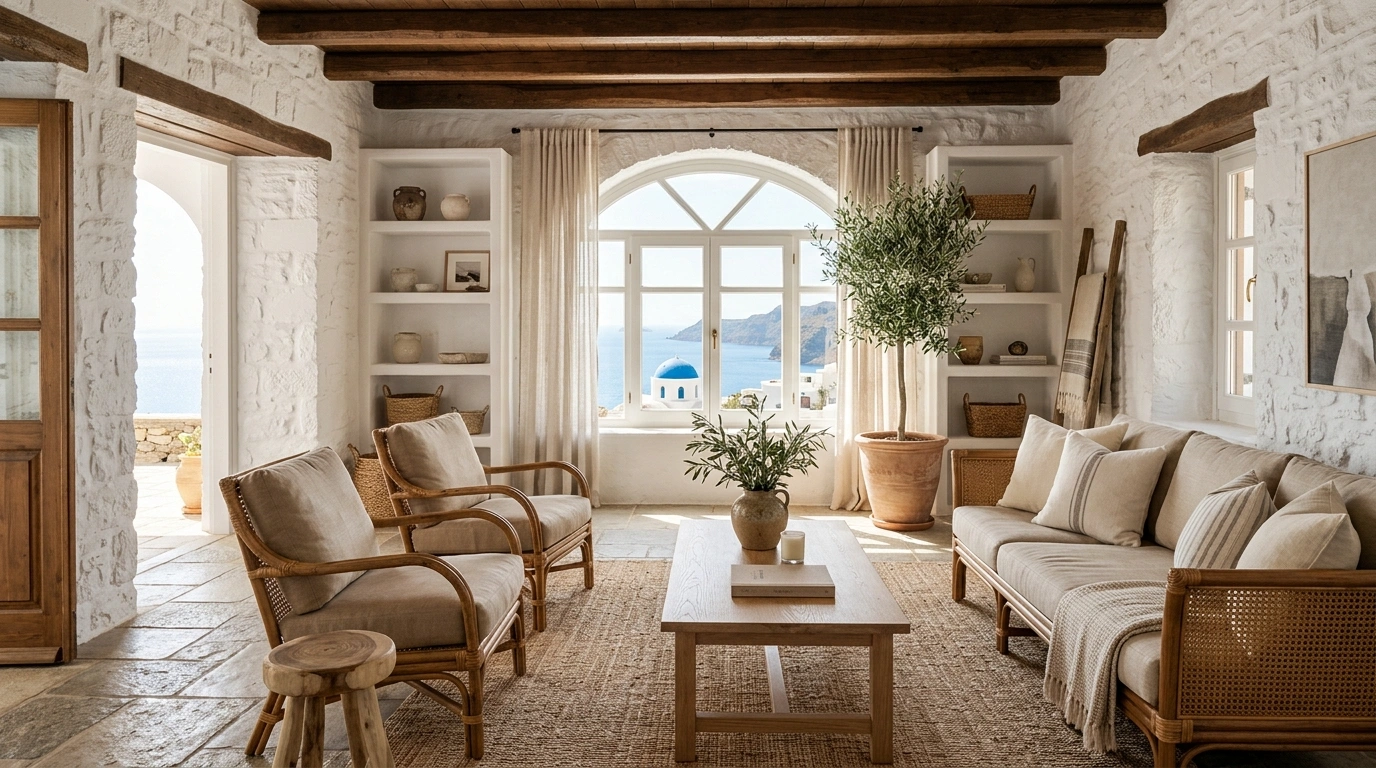
Greek Villa works well with wood, rattan and other natural materials. It can create a charming backdrop for a bright and airy living space with a light oak coffee table and rattan chairs/sofa with beige or cream-colored upholstery.

Alabaster works well in living rooms with gray floors, black accents or cooler furniture. Its soft gray undertone helps create a calm and balanced look. Pair it with a gray or charcoal sofa, cool-toned cushions and a black metal coffee table. Then add a few light curtains to keep the space from feeling too dark.
Bedroom

Greek Villa can add warmth to a bedroom, especially when the room has little natural light. Use beds with large wooden headboards, shaggy soft rugs, along with neutral shade curtains.

Alabaster gives off a softer, more muted look. Use beds with headboards painted in gray-blue shade, gray-toned nightstands and simple printed rugs to create a calm bedroom atmosphere.
Kitchen
Both colors can work well in kitchens.
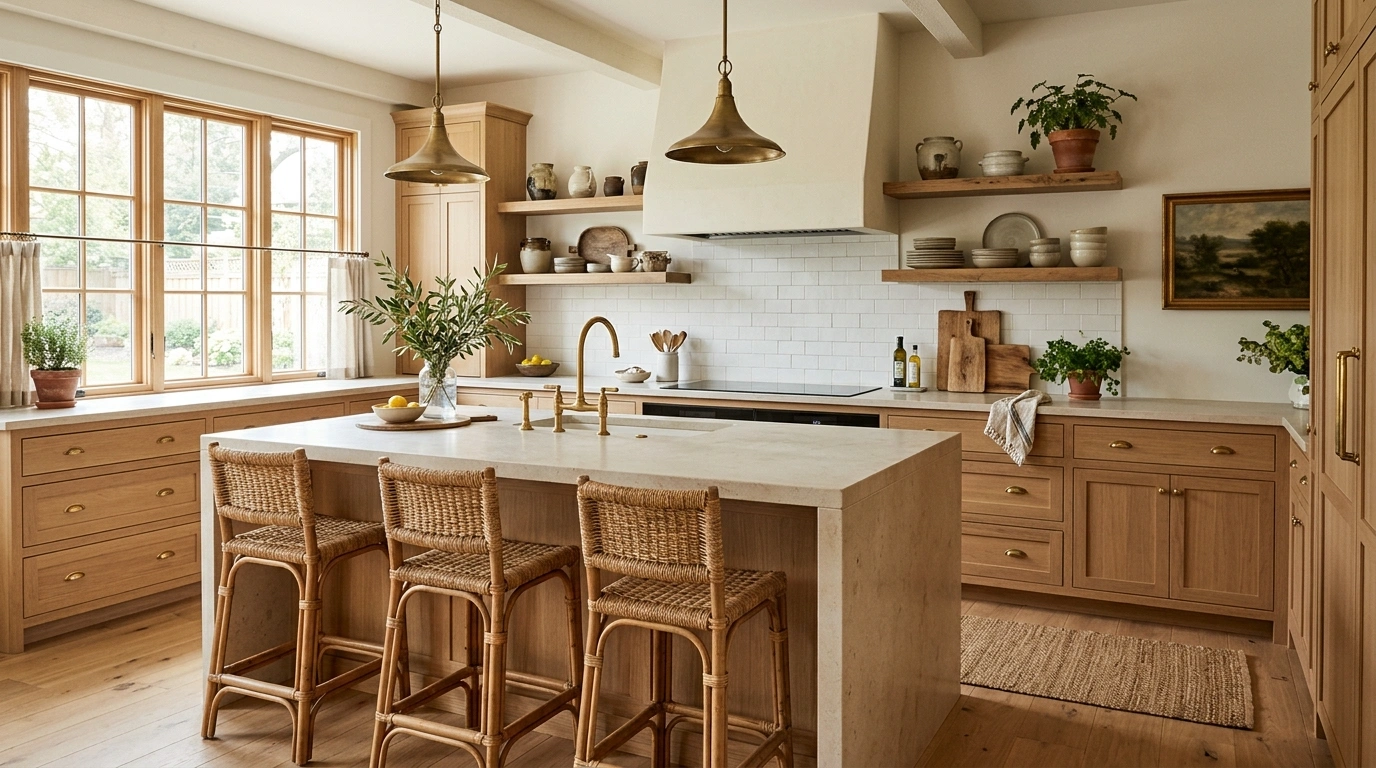
Pair Greek Villa-painted walls with light wood cabinets, woven bar stools, brass lighting and wood accents to bring out its bright undertones and keep the look soft and natural.

Alabaster can be a good match for gray floors, black hardware, and cooler stone. Try it with light gray or white cabinets, marble or cool-toned countertops and dark metal fixtures for a clean and simple look.
Exterior
Intense sunshine can affect the way these paints look outside. To choose the right option, test a large sample outside and see how it looks at different times of day.
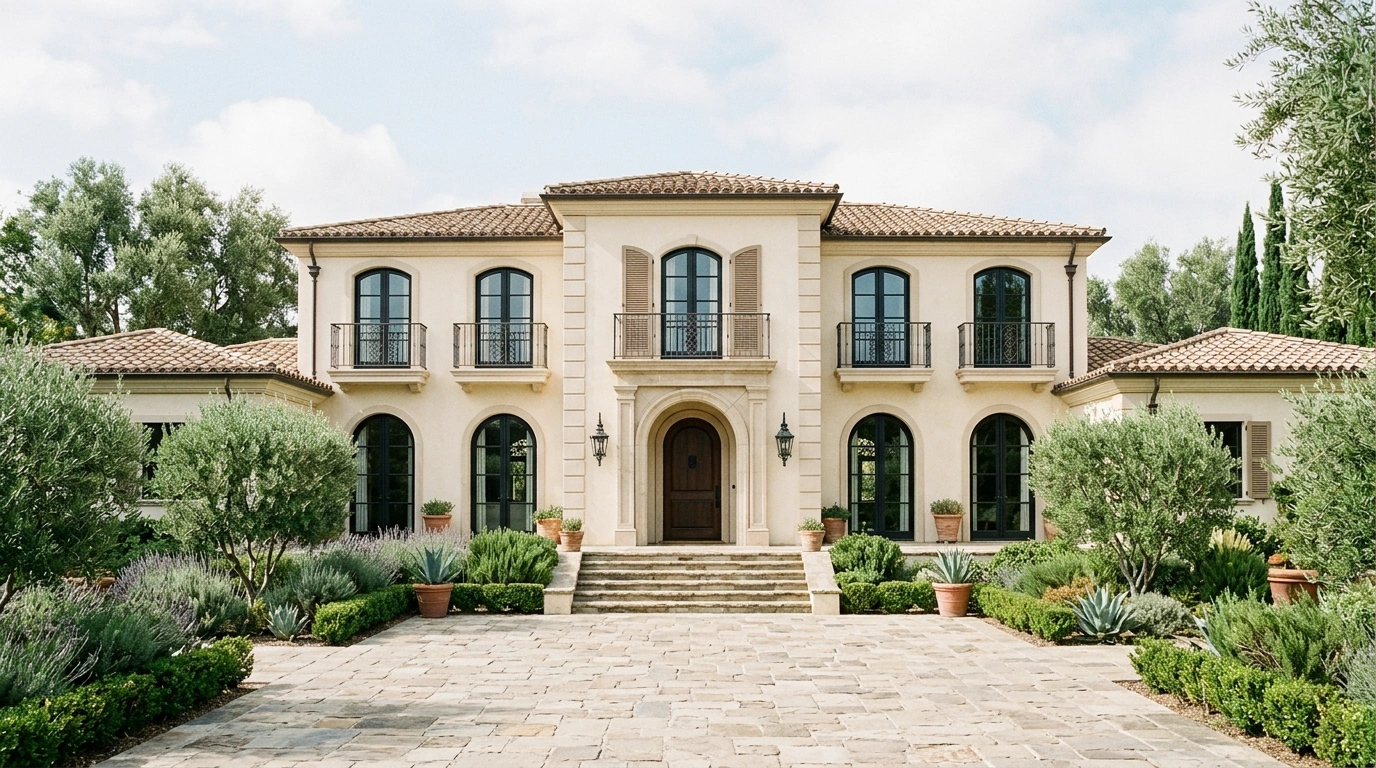
Greek Villa typically has a more creamier, warmer appearance. Use it with terracotta roof tiles, brick pathways and dark brown or wood-toned accents for a soft Mediterranean look.

Alabaster is best for exteriors with dark gray or black roofs, black window frames and stone accents. You can even use it to paint houses with a natural stone walkway to create a crisp look with clear contrast.
Conclusion
So, who wins the Alabaster vs Greek Villa contest? Both Alabaster and Greek Villa are beautiful white paints, but they create slightly different looks. Alabaster has a softer and more balanced feel. Greek Villa exudes warmth and creaminess. The final choice depends on the room, lighting, furniture, and the final look you want. Before deciding, test both colors in the space to see how they look throughout the day.
Frequently Asked Questions
Alabaster vs Greek Villa: Which is best for a north-facing room?
North light tends to be a bit cool. A north-facing room painted with Alabaster may look dull and dingy. Since Greek Villa has a more rich and creamy tone, these rooms look best in this paint.
Can Alabaster and Greek Villa be used at the same time?
As long as you use them in different zones in the house, it should be fine. Use Alabaster for rooms that need a neutral tone or get too much natural light. Use Greek Villa for darker rooms. Don’t paint them on adjacent walls, as it may look slightly mismatched.
Does the type of flooring influence which paint color you choose?
Yes, it does. Alabaster is great for rooms with gray cool-toned floors. It creates an elegant, sophisticated look. Greek Villa works well in rooms with wooden floors, like warm oak. This creates a warm and cozy look.