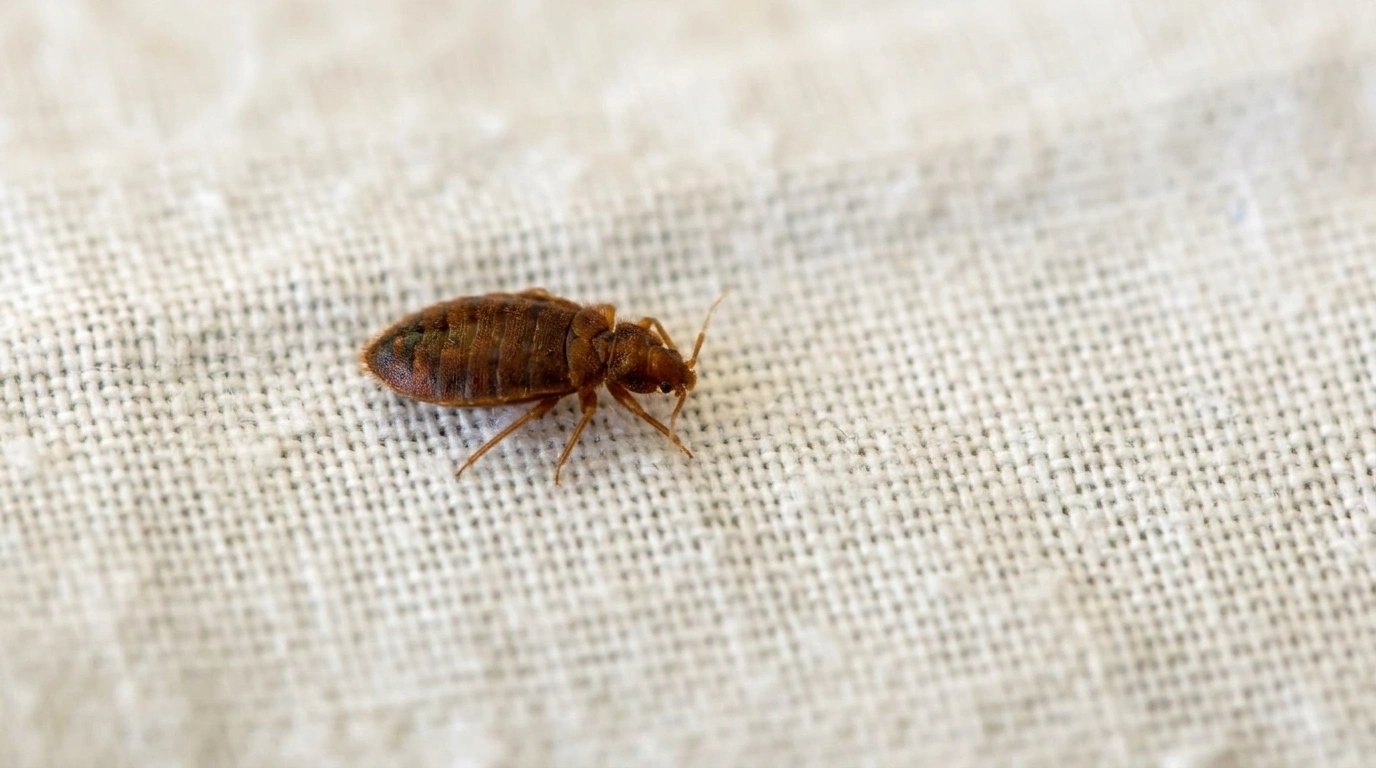
You’re lying in bed, minding your own business, when you notice a tiny white spot on your sheet. Then another. A small white spot appears on your sheet. Then, one more after that. Suddenly, you start wondering whether you have bed bugs. Well done, your mind has already Googled “Bed bug” 17 times in the last three seconds. But what you’re seeing may not be what you believe it is.
Bed bugs are small, reddish-brown insects that feed on blood and spend the day hiding around beds, mattresses, sheets, box springs, and other cracks where people usually sleep. Their eggs are extremely small and pale, and their sticky nature can make them look like a dust particle or fabric texture, even to the naked eye.
What do bed bugs look like?
Bed bug eggs are very small; younger ones are usually about 1 mm long and look pearl-white. They look like microscopic grains or tiny particles on a surface and are oval-shaped.
Bed bug eggs are often stuck to the surface rather than resting loosely on top of it, which is one helpful hint. When determining what bed bug eggs look like, search for:
- Small Size: About 1 mm, making them difficult to find.
- Oval-shaped: Mostly oval rather than completely round.
- Pearl-White Color: Typically pearl-white or pale in color.
- Glued to the surfaces: Generally, they stay attached to the surfaces of gaps and fabrics.
If I were inspecting my own mattress, I wouldn’t depend solely on one small white spot. I’d look for additional signs to confirm.
What are the first signs of bed bugs on sheets?
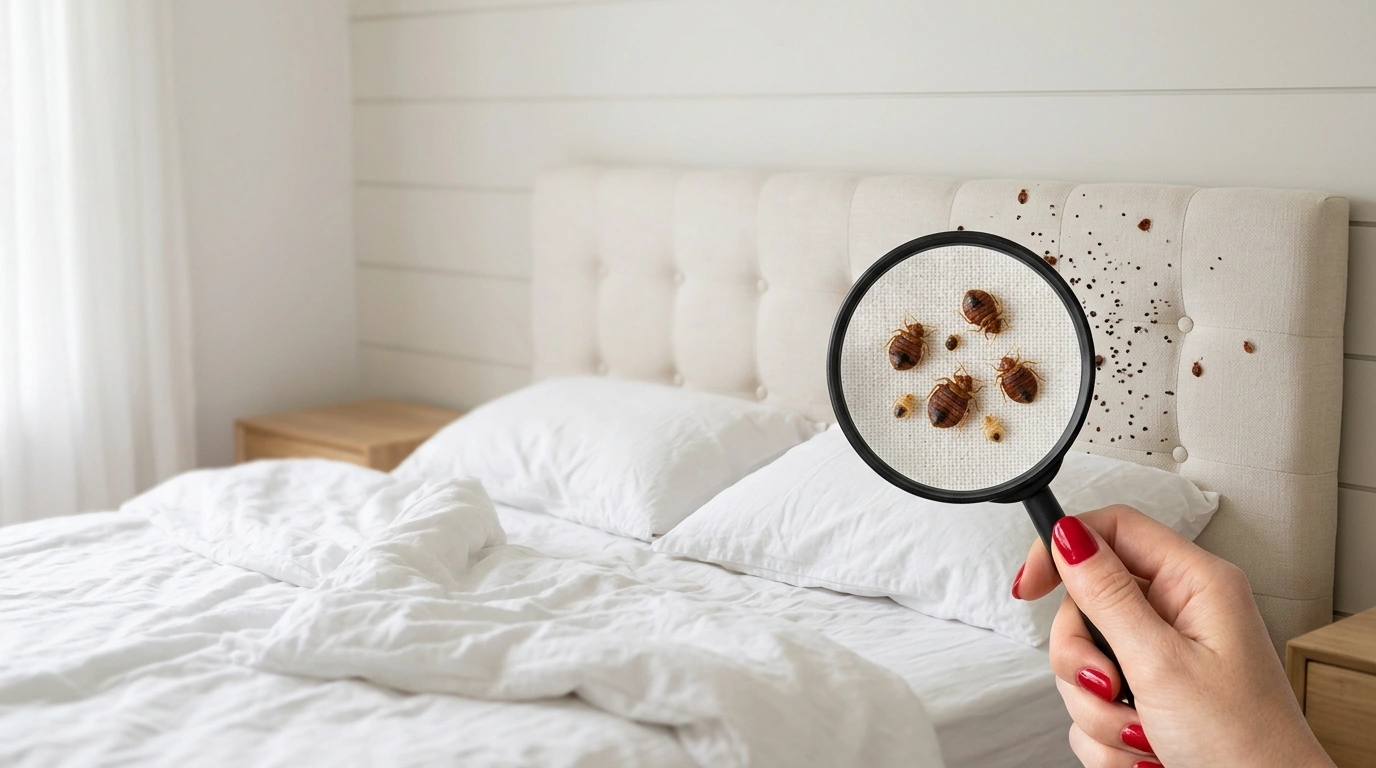
You may not see the eggs at first. If bed bugs are common, there may be more signs around your sleeping space. Search for
- Small white eggshells or eggs: Inspect gaps and folds thoroughly.
- Shed skins: Watch for pale, empty shells near sleeping spots.
- Reddish stains: Reddish or rusty spots might appear after bed bugs are smashed.
- Alive insects: Adult bed bugs are roughly the size of an apple seed.
- Dark spots: Bed bug eggs can leave little dark markings on cloth.
Bed bug bites are possible, but they are not reliable proof of an infestation because similar-looking bites can have other causes. Physical signs surrounding the sleeping space are more effective for evaluation.
How can you differentiate bed bug eggs from other white spots?
Not all white marks on sheets are eggs. If you’re planning to figure out what bed bug eggs look like, notice these differences:
- Textile Fibers: Usually loose and unevenly shaped.
- Dust: Typically moves quickly when disturbed.
- Bed Bug Eggs: Usually small, oval-shaped, pale, and often strongly attached to surfaces.
This is when I might slow down instead of panicking. Observe your surroundings before deciding what you’ve found.
Where should you look for bed bug eggs?
If you think there are bed bugs in your bed, don’t just check the center of the sheets. Bed bugs prefer to stay hidden in protected areas, such as
- Mattress edges, folds, and labels.
- Cracks appear around the bed.
- Box springs and corners.
- Surrounding drawers and furniture.
If I were checking my own mattress or sheets, I’d start at the corners and work slowly toward the outside, rather than checking every corner at random.
How to get rid of bed bug eggs?
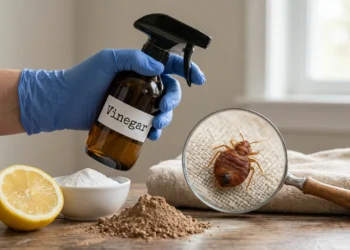
Getting rid of bed bug eggs means treating more than the eggs you can see. Before moving to chemical treatments, start with these simple home remedies.
Lavender Essential Oil: Spray mixed lavender oil or add drops to bathwater to help prevent bites and relieve irritation from bed bug bites.
Neem Oil Mixture: Mix neem oil, water, and a small amount of dish soap or apple cider vinegar; it works as a natural insecticide.
Decrease clutter: Clean cracks, seams, and floors, then seal the vacuum contents before disposal.
Heat: Read the care label instructions for washable bedding and use a hot dryer if the material allows.
When to use chemicals?
If bed bugs keep returning, you may need a registered bed bug pesticide. Depending on the product, you can consider options that include pyrethrins, pyrethroids, and neem-based pesticides. Follow the product label carefully, especially regarding where and how to apply it.
When should you call a pest professional?
Before implementing additional control measures, the EPA advises accurate identification.You should think about contacting a pest control expert if you start seeing the following issues regularly-
- Finding live bed bugs.
- Repeatedly finding eggs or eggshells.
- Starting to spot early signs in several areas around your bed.
- The infestation seems like it is about to spread.
Contacting a pest control expert will help you identify and diagnose the insect and infestation faster.
Final Thoughts
Although it can be disturbing to find bed bugs on sheets, a single tiny white spot doesn’t always indicate that you’re dealing with bed bugs. Before choosing, consider the attachment, size, form, and surrounding indicators.
It is much easier to calmly examine your sheets and mattress and decide what to do next when you know the signs of bed bug eggs.
Frequently Asked Questions
What brings bed bugs out of hiding?
Since bed bugs feed on blood, they are drawn to humans. They often stay hidden in corners and crevices during the day. They may become active at night if someone is nearby.
Can bed bug eggs be found on black sheets?
Yes, because the pale eggs stand out against the darker fabric, bed bug eggs on black sheets might be easier to notice. But before you recognize them as eggs, always make sure they are attached and have the right shape.
Will Bed Bugs go away if I wash my sheets?
Yes, but partially. Although it can help clean and treat the mattress, washing your sheets won’t always eliminate an infestation.