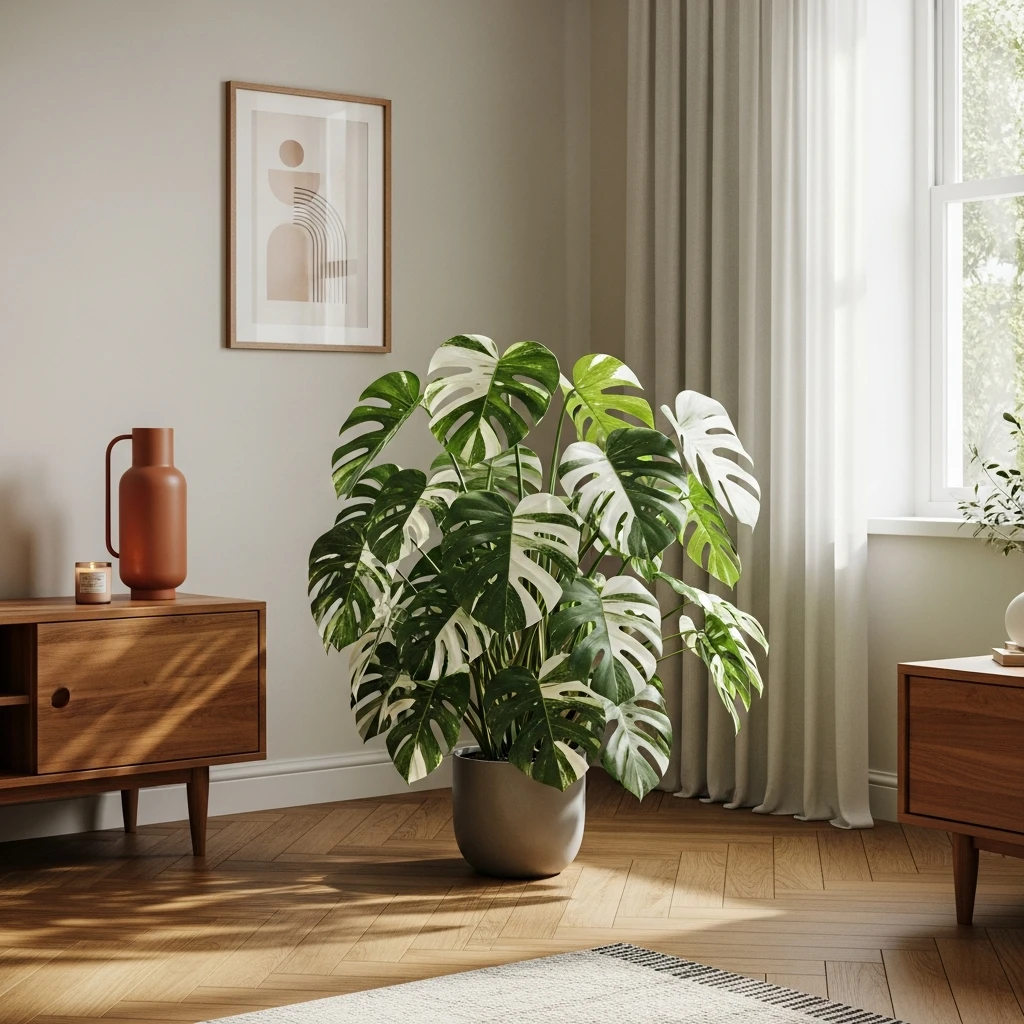
Some plants just rest in a corner, whereas Thai Constellation steals the entire spotlight. One glance at its creamy white marbled leaves, and it makes sense why plant lovers around the world wait for months and spend a lot to bring one home.
Unlike Ordinary Monsteras, no Thai Constellations look the same. Every leaf is sprinkled with unique cream-colored variegation resembling stars scattered across the sky, which gave the plant its unforgettable name. And the best part? Despite its premium reputation in the market, it is not difficult to maintain or care for, contrary to popular belief. With the right approach and care, it gives buyers greater rewards by growing larger, more dramatic leaves that become even prettier as it matures.
What is Thai Constellation Monstera?
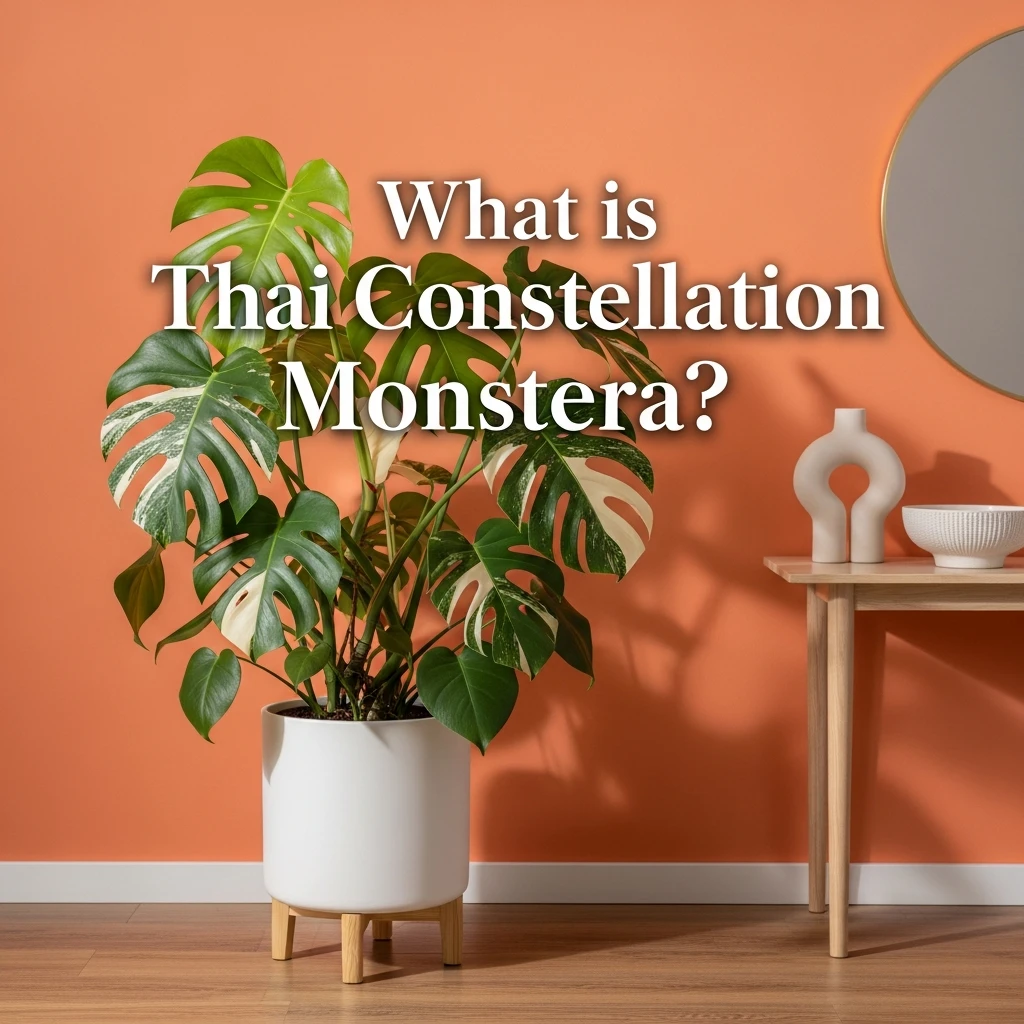
Thai Constellation Monstera is a cultivated variety of Monstera deliciosa. The same home decor plant you have probably seen in every home decor photo since 2018. What makes this so much different is the variegation. Every leaf appears like white and green marbling that genuinely looks like someone scattered stars across the surface, which is where the name constellation comes from.
One of the most interesting facts about this plant is that it was not found in the rainforest or in nature, but rather was developed in a laboratory; the process used is called tissue culture, wherein scientists isolated a stable genetic mutation that produced a white pattern and deliberately propagated it.
What is the scientific name of the Thai Constellation Monstera?
The scientific name is Thai Deliciosa Monstera Constellation. It belongs to the family Araceae and is a cultivated plant, meaning it is not grown naturally but developed. The parent plant is Monstera Deliciosa, is native to Central America and Mexico.
What does Thai Monstera Constellation look like?
Think of it as a large, dramatic, heart-shaped leaf with deep splits and holes. These holes develop more fully as the plant grows and gets proper light. The base color of the plant is deep green, and across every leaf, you can see creamy white and pale yellow marbling that varies and shades from leaf to leaf. No two leaves on this plant look the same, which is why this plant is loved so much.
Is the Thai constellation Monstera a rare plant?
There was a time when this plant was very hard to find. It was between 20202 and 2022 that prices soared. Single cuttings were sold at $200-$300, with more mature plants regularly listed at approx. $1000. Demand kept soaring, but supply was not matched by the labs in Thailand developing the plant.
Then Consta Farms came into the picture and started producing these plants on a large scale and distributed it through Home Depot and Lowe’s. The prices dropped dramatically by almost 80% between 2022 and 2025. Today, you can find one for $25-$50, depending on the plant’s size.
That being said, there are still some varieties, like highly variegated specimens and rare sub-varieties like Miracle and Medusa, that command a significant premium. Mass production brought the standard plant to everyone, but it could not impact premium varieties.
Why is Thai Monstera Constellation so expensive?
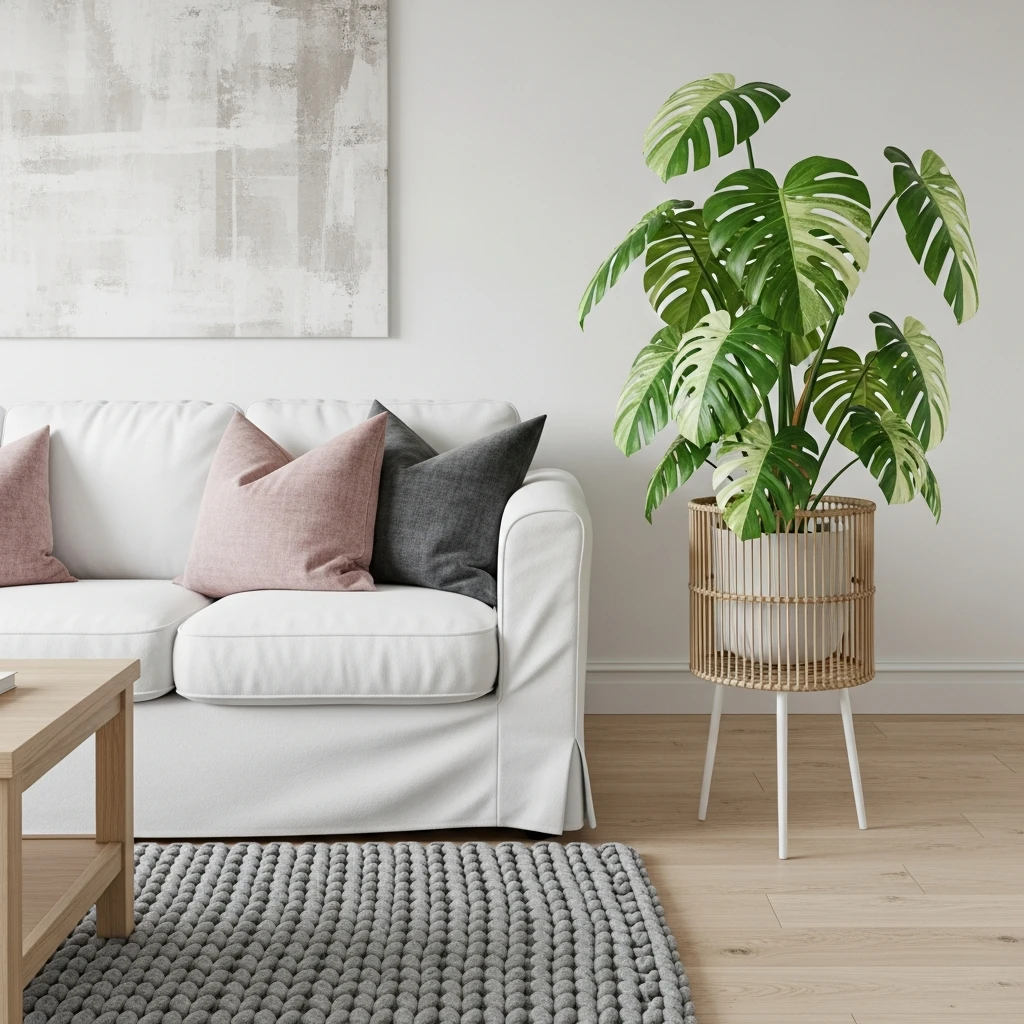
Even today, when the prices are at their lowest, it’s still considered an expensive plant. Here is why that price is not arbitrary.
It cannot be grown from seed or provide seed:
It can only be grown via tissue culture or by propagating it from a stem cutting. Every single plant is grown individually, which is slow and labor-intensive when compared to seed propagation.
The white parts grow slowly:
The Variegated tissue contains very little chlorophyll when compared to green tissue, which means photosynthesis is slower than in other plants, hence the slower growth.
Shipping is complicated:
These plants are very sensitive to temperature an drough handling, which means they need extra care. Getting them from production facilities to buyers involves careful packaging, controlled climate conditions, and higher loss rates than other naturally grown plants.
What are the care instructions for Thai Monstera?
In the previous para we talked about how sensitive this plant is and how it requires more care than usual. Now, we will discuss the main points for caring for this plant at home so it can reach its full potential.
Light
A plant of this kind may seem like very high maintenance, but it doesn’t ask you for extraordinary efforts. Bright indirect light is its happy place, which helps it flourish without the risk of scorching.
Water
The quickest way to stress this plant is by overwatering, so a very helpful tip to keep in mind is to water only when the top inch or two of soil feels dry.
Humidity
Humidity is a boost for this plant, especially when you want larger leaves with dramatic fenestrations. Put a moss pole and don’t be shocked if your plant ends up climbing it.
Temperature
When it comes to temperature, you should try your best to keep this plant between 18 and 30 degrees, and don’t let it sit below 15 degrees in any case or situation, because that is intolerable stress for your plant.
Soil & Pot
For right nutrition, use a chunky, well-drained mixture with ingredients like orchid bark, perlite, coco coir, or peat moss. Pair it with a pot that has drainage holes, as this will help it drain excess water if you tend to overwater.
With the right balance of nutrition and support, Thai Constellation will reward you with stunning foliage that’s worth every look.
Thai Constellation Monstera vs Albo
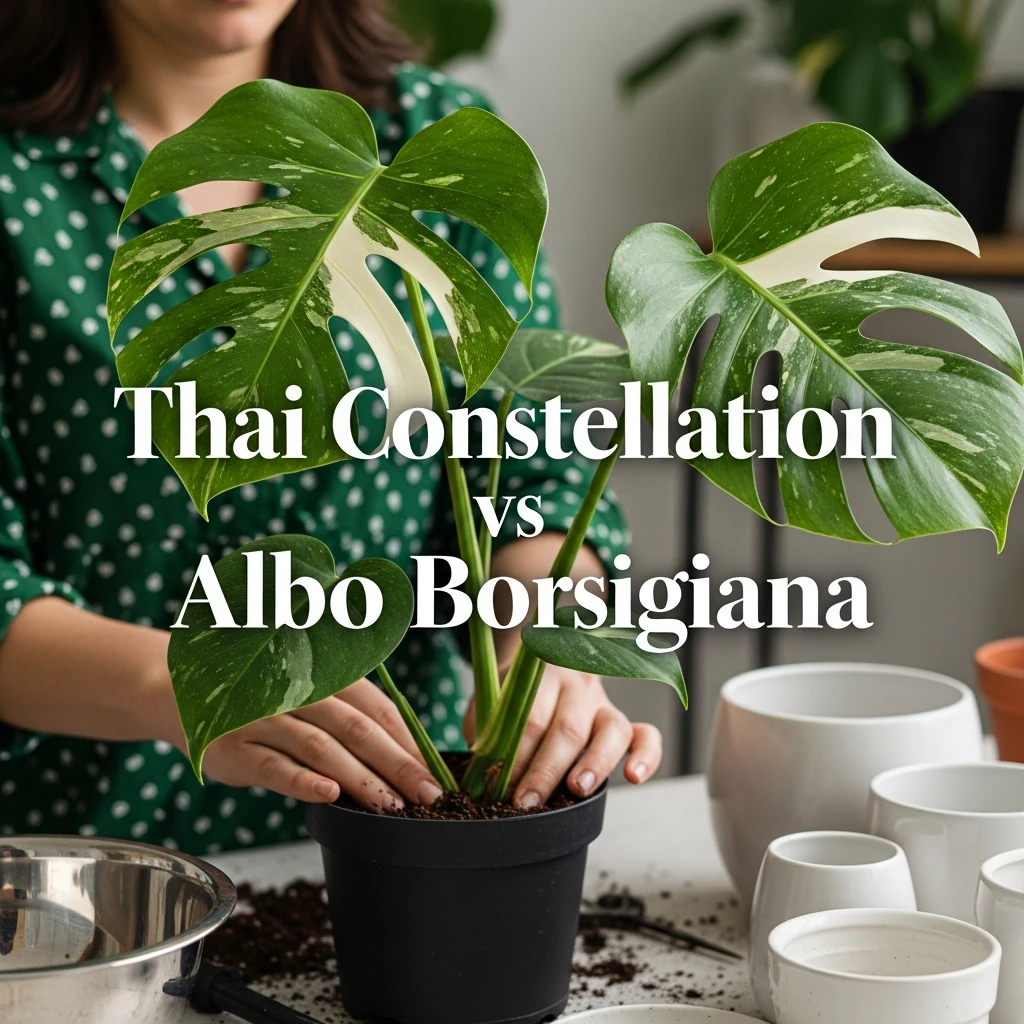
- They might look a bit like twins, but when you spend a bit of time with them, you realize their different personalities.
- Thai Constellation is creamy, speckled variegation spread across every leaf, giving it the appearance of stars scattered across the night sky, whereas Monstera Albo has bold white patches that makes it’s leaf completely unpredictable.
- Another major difference is that Thai Constellation is genetically stable, whereas Monstera Albo can revert to plain green growth if not properly maintained.
Thai Constellation Monstera Benefits
There are reasons why this plant becomes the center of your attention, wherever it is placed. Its striking variegation instantly makes your ordinary corner into a designer space.
Not just appearance, it also brings a fresher environment with a touch of calmness inside your home. And unlike passing decor trends, Thai Constellation becomes increasingly impressive as it matures over time.
Thai Constellation Monstera types
Although there is only one Thai Constellation Cultivar, collectors often group them based on variegation patterns.
High Variegation: This plant has large, creamy white marbled patterns that create a painted appearance, which looks very dramatic. They are very sorted plant but may grow a bit slower because of reduced chlorophyll.
Balanced variegation: The most in-demand variety, which has an even mix of green and creamy speckles. It can be considered a combo of a striking look with healthier growth.
Low Variegation: These plants have more green foliage and fewer cream markings. Being less flashy and having extra chlorophyll always helps them grow faster and have stronger leaves.
Are Thai Constellation plants toxic to cats?
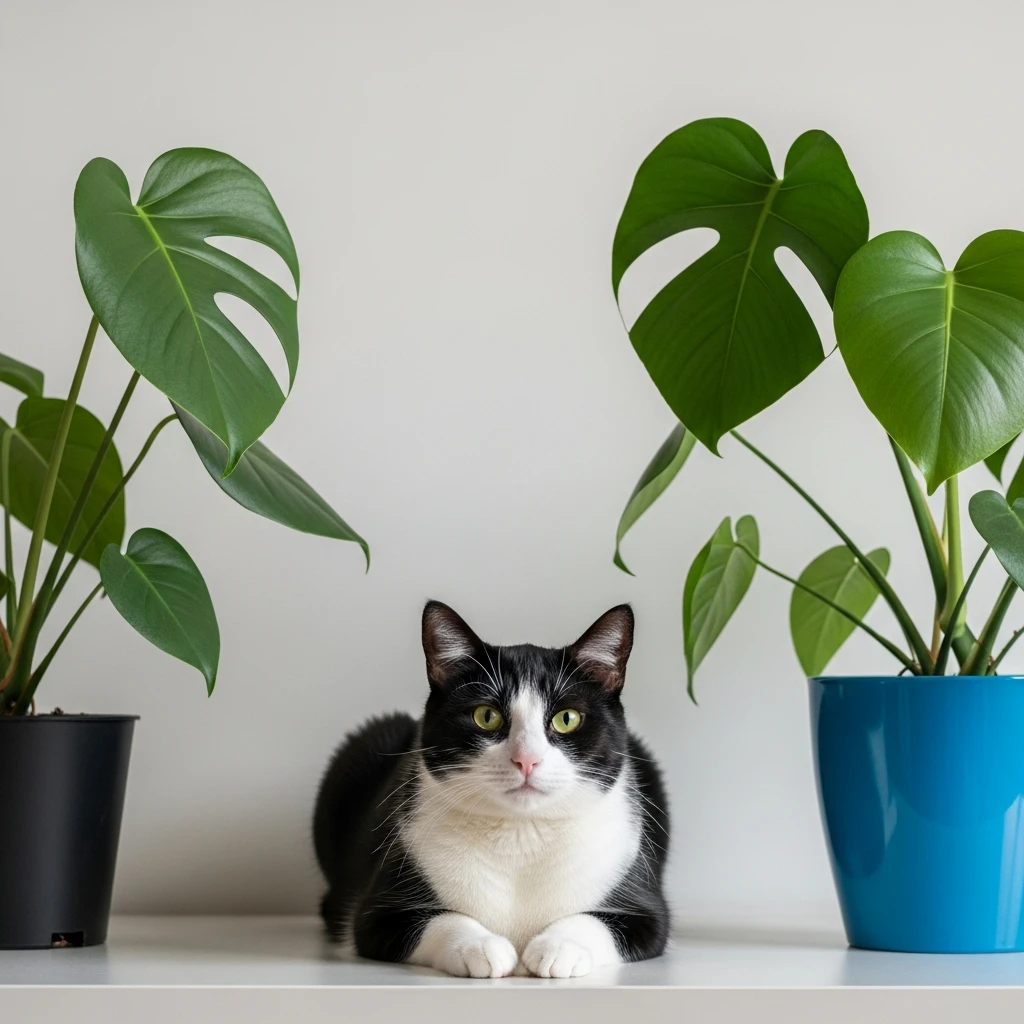
As pretty as this plant may be, this is one plant your cat should not snack on. It contains crystals of calcium oxalate, which can irritate your cat’s mouth, tongue and throat if chewed.
Most of these cases might not be life-threatening but are serious enough to cause temporary discomfort, such as drooling, pawing at the mouth, and swelling. So, it’s better to keep it out of your cat’s reach to protect her.
Does Thai Constellation like milk water?
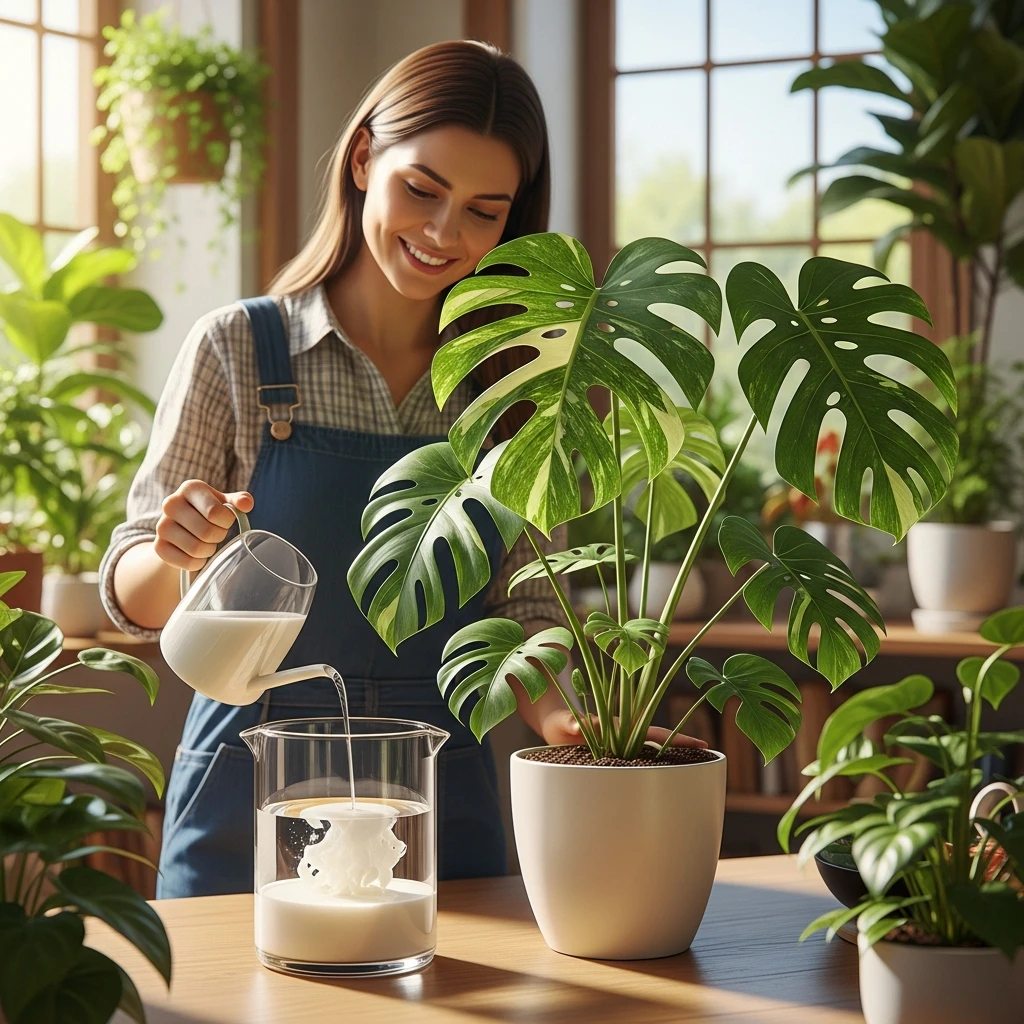
Milking of plants sounds like a really creative idea for some plants, but in the case of this plant, it is not as fruitful as it might be for others.
Thai Constellation does not find anything valuable in milk that it can use in any form to grow better or extract any sort of nutrition that compliments it’s growth.
Instead of helping, plant milk spoils the soil very quickly and poses risks of encouraging bacteria, molds, and unpleasant odors.